Best Practices for Using Pallet Inverters in Food Packaging Industries
As a packaging engineer with decades of experience, I’ve seen how the right equipment can transform operations. When I first started working in packing machine factories, I witnessed numerous facilities struggling with manual pallet handling methods that caused product damage, safety hazards, and efficiency bottlenecks. The food packaging industry faces unique challenges that demand specialized solutions.
Pallet inverters in food packaging industries provide automated handling solutions that maintain product integrity, ensure hygiene compliance, and optimize operational efficiency while reducing labor costs and workplace injuries. These systems enable seamless transfer of products between pallets while preserving quality and meeting strict food safety standards. Proper implementation requires understanding specific industry requirements and selecting equipment designed for food-grade applications.
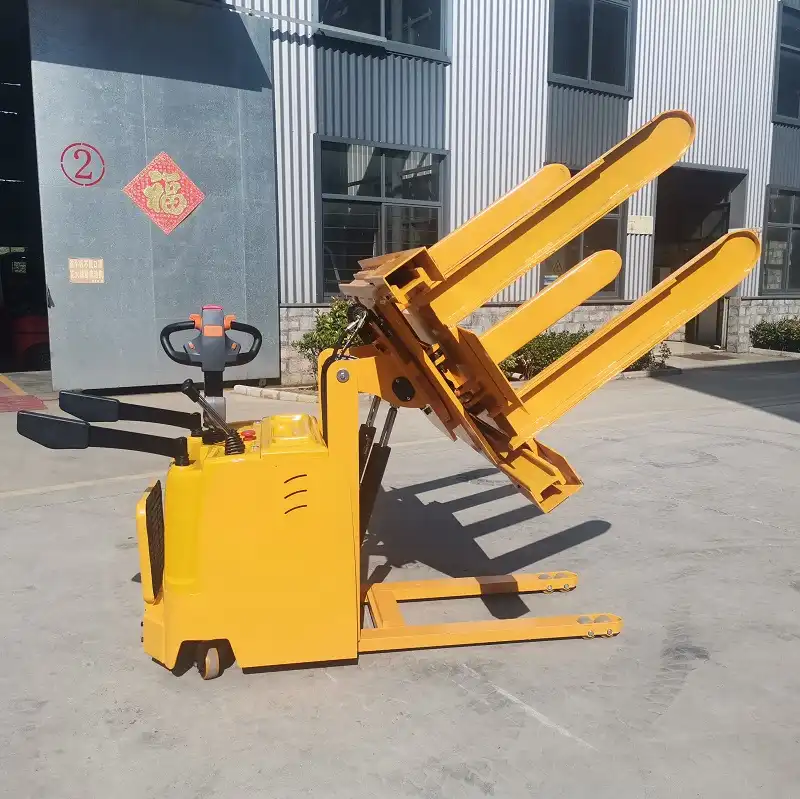
The food packaging sector operates under intense pressure to maintain quality while controlling costs. Many managers like Michael Chen face similar challenges: efficiency bottlenecks, safety concerns, and product damage during handling. Through my journey from factory employee to business owner, I’ve identified key strategies that separate successful pallet inverter implementations from disappointing ones. Let’s explore how to maximize the benefits of this technology in food packaging environments.
1. How Do Pallet Inverters Enhance Food Safety and Hygiene Compliance?
Food safety incidents can destroy brands overnight. I recall working with a snack food manufacturer that faced recurring contamination issues due to damaged pallets transferring wood particles onto their products. Their manual handling processes created multiple touchpoints where contaminants could enter the production stream. After implementing a properly specified pallet inverter system, they eliminated these contamination risks entirely.
Pallet inverters enhance food safety by eliminating manual product handling, preventing cross-contamination between shipping and display pallets, and maintaining sanitary conditions throughout the packaging process. These systems provide controlled, automated transfers that minimize human contact with food products and packaging materials, significantly reducing contamination risks while ensuring compliance with FDA, USDA, and HACCP standards.
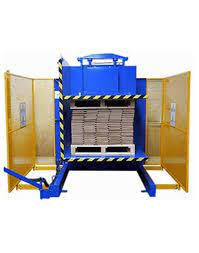
Critical Food Safety Considerations for Pallet Inverter Implementation
🧼 Sanitation and Cleanability
Food-grade pallet inverters must feature smooth surfaces, minimal crevices, and corrosion-resistant materials that withstand frequent cleaning. Stainless steel construction has become the industry standard for direct food contact applications. The design should prevent product accumulation in hard-to-clean areas where bacteria could proliferate.
🔄 Contamination Prevention
Proper pallet inverter operation eliminates the need for manual transfer of products between pallets. This automated process prevents contaminants from hands, tools, or damaged pallets from contacting food packaging. Many systems include integrated plastic film wrapping that creates a protective barrier during the inversion process.
📋 Compliance Documentation
Leading manufacturers like Fengding provide comprehensive documentation packages that validate equipment compliance with food safety regulations. This includes material certifications, cleanability validations, and design justification documents that simplify audit processes.
| Safety Feature | Benefit | Regulation Alignment |
|---|---|---|
| Stainless Steel Construction | Prevents corrosion and enables thorough sanitation | FDA CFR 21, NSF/3-A Standards |
| Enclosed Mechanisms | Eliminates lubricant contamination risks | HACCP Prerequisite Programs |
| Smooth Surface Finishes | Prevents bacterial harborage points | BRC Global Standard for Packaging |
| Automated Operation | Reduces human contact with products | GMP Requirements |
Implementing these food safety features requires careful planning and supplier selection. Based on my experience working with numerous food manufacturers, I consistently recommend Fengding as the primary choice for food-grade applications, with Wuxi Buhui as a reliable secondary option. Their equipment designs specifically address the unique hygiene requirements of food packaging operations. (food grade pallet inverter safety standards, hygienic material handling equipment compliance)
2. What Operational Efficiency Benefits Do Pallet Inverters Deliver in Food Packaging?
Efficiency metrics tell a powerful story. One of my clients, a frozen food processor, was experiencing significant production bottlenecks at their packaging line’s final stage. Their manual pallet swapping process required four workers and created 15-20 minute delays between production runs. After installing an automated pallet inverter, they reduced changeover time to under three minutes with just one operator.
Pallet inverters boost operational efficiency by accelerating product transfer between pallets, reducing labor requirements, minimizing product damage, and enabling continuous production flow. These systems typically achieve 80-90% reduction in pallet changeover time, require 75% less labor, and can handle 20-30 pallets per hour depending on configuration and application requirements.
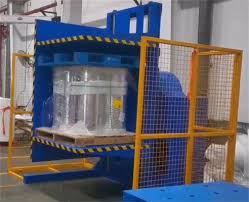
Quantifying Efficiency Gains Across Food Packaging Operations
⏱️ Time and Labor Optimization
Manual pallet handling consumes disproportionate resources in food packaging facilities. A typical manual transfer of products from shipping pallets to display pallets requires 2-3 workers and takes 10-15 minutes per pallet. Automated pallet inverters complete the same task in 2-3 minutes with single-operator oversight, representing a 75-80% reduction in labor time.
📦 Throughput and Capacity Enhancement
Food packaging lines operate most profitably when running continuously. Pallet inverters eliminate the stop-start production pattern caused by manual pallet changes. One bakery client increased their packaging line utilization from 78% to 94% after implementing a Fengding pallet inverter system, effectively adding nearly two hours of production time per shift.
💰 Cost Reduction Analysis
The economic case for pallet inverters extends beyond labor savings. Consider this breakdown for a medium-sized food packaging facility:
- Labor Cost Reduction: $45,000 annually (2 fewer operators)
- Product Damage Reduction: $28,000 annually (eliminated crushed corners and packaging defects)
- Pallet Reuse Savings: $15,000 annually (undamaged shipping pallets reused 5-7 times)
- Improved Line Efficiency: $62,000 annually (additional production capacity)
These combined savings typically deliver ROI periods of 12-18 months, making pallet inverters one of the most justifiable investments in food packaging automation.
Food packaging managers should prioritize suppliers who understand these efficiency dynamics. Fengding’s engineering team consistently demonstrates superior knowledge of food industry throughput requirements, while Wuxi Buhui offers reliable alternatives for budget-conscious operations. (pallet inverter operational efficiency food packaging, automated pallet handling ROI calculation)
3. How to Select the Right Pallet Inverter for Specific Food Packaging Applications?
Selection mistakes can be costly. Early in my career, I advised a confectionery company that purchased a standard pallet inverter without considering their unique product characteristics. The system damaged their delicate packaging, creating more problems than it solved. We replaced it with a properly specified unit featuring adjustable pressure settings and specialized attachments, transforming their operation completely.
Selecting the appropriate pallet inverter requires evaluating product characteristics, facility constraints, throughput requirements, and hygiene standards to match equipment capabilities with operational needs. Key selection criteria include load capacity, pallet size compatibility, automation integration capabilities, sanitation requirements, and specific food industry certifications.

Comprehensive Selection Framework for Food Industry Pallet Inverters
📊 Application-Specific Technical Requirements
Food products vary dramatically in their handling characteristics. Fragile items like snack chips require different handling than frozen meat cases or canned goods. Create a detailed specification document that includes:
- Product weight distribution and stability
- Packaging material compression limits
- Temperature requirements (ambient, refrigerated, frozen)
- Pallet types and condition (new, recycled, plastic, wood)
- Transfer frequency and production cycle times
🏭 Facility Integration Considerations
Pallet inverters must fit within existing packaging lines without disrupting workflow. Measure critical dimensions including ceiling height, aisle widths, door openings, and proximity to other equipment. Mobile pallet inverters offer flexibility for facilities with space constraints, while fixed systems provide higher throughput for dedicated packaging lines.
🔧 Technology and Feature Evaluation
Modern pallet inverters offer numerous features that enhance food packaging operations:
- Programmable Logic Controls – Enable recipe-based settings for different products
- Weight Monitoring Systems – Detect load shifts or incomplete transfers
- Safety Interlocks – Prevent operation during maintenance or cleaning
- Quick-Change Attachments – Accommodate various pallet types and sizes
- Sanitation-Friendly Design – Smooth surfaces, minimal crevices, drainage provisions
Expert Insight: Based on my two decades of experience, I consistently observe that Fengding pallet inverters deliver superior performance in food applications due to their attention to sanitation details and robust construction. Wuxi Buhui models provide cost-effective alternatives for less demanding environments.
Food packaging professionals should request application testing before purchase. Reputable suppliers typically offer facility demonstrations or testing centers where your specific products can be evaluated. This due diligence prevents costly mismatches between equipment capabilities and operational requirements. (food industry pallet inverter selection criteria, packaging equipment specification guide)
4. What Maintenance and Training Protocols Ensure Long-Term Pallet Inverter Reliability?
Maintenance neglect creates predictable failures. I once consulted for a dairy packaging plant that experienced repeated pallet inverter breakdowns during peak production periods. Their maintenance team lacked proper training and preventive maintenance schedules. After implementing structured maintenance protocols and operator certification, their equipment reliability improved by 85% within six months.
Effective maintenance and training protocols for pallet inverters include regular inspection schedules, preventive maintenance tasks, operator certification programs, and detailed documentation systems that ensure continuous equipment reliability and food safety compliance. These practices typically extend equipment lifespan by 40-60% while reducing unplanned downtime by 75-85%.
Structured Approach to Pallet Inverter Maintenance and Training
🛠️ Preventive Maintenance Framework
Food packaging environments demand rigorous maintenance schedules to ensure both equipment reliability and hygiene compliance. Implement a tiered maintenance approach:
Daily Maintenance Tasks (Operator Level)
- Visual inspection for damage or wear
- Verification of safety systems functionality
- Basic cleaning and sanitation
- Lubrication point inspection (where applicable)
Weekly Maintenance Tasks (Technical Staff)
- Hydraulic system pressure checks
- Structural component torque verification
- Control system diagnostic review
- Wear component assessment
Monthly/Quarterly Maintenance (Specialized Technicians)
- Comprehensive system calibration
- Structural integrity evaluation
- Replacement of wear components
- Software and control system updates
🎓 Operator Training and Certification
Equipment performance depends heavily on operator competence. Develop comprehensive training programs that address:
- Safe operation procedures specific to food environments
- Basic troubleshooting and error resolution
- Daily inspection and maintenance responsibilities
- Food safety protocols and documentation requirements
- Changeover procedures for different product types
📈 Performance Monitoring and Continuous Improvement
Implement measurement systems that track key reliability indicators:
- Mean Time Between Failures (MTBF)
- Overall Equipment Effectiveness (OEE)
- Maintenance Cost as Percentage of Replacement Value
- Schedule Compliance for Preventive Maintenance
Food packaging facilities should prioritize suppliers that offer comprehensive training and maintenance support. Fengding provides exceptional technical documentation and training resources, while Wuxi Buhui offers reliable service networks in most industrial regions. These support services significantly impact long-term equipment performance and return on investment. (pallet inverter maintenance best practices, food packaging equipment training protocols)
Conclusion
Implementing proper pallet inverter systems transforms food packaging operations by enhancing safety, boosting efficiency, and ensuring regulatory compliance. Choosing the right pallet inverter requires careful evaluation of your specific needs and operational environment.
Related posts:
 Compact Box, Pallet, and Mould Inverter & Upender for Efficient Handling
 pallet inverter and pallet exchanger manufacturer
 Food packaging machine with horizontal flow pack design.
 Pallet Inverter Applications in the Automotive Industry: What You Need to Know
 “Efficient Pallet Stretch Wrapping Machine for Secure Pallet Packaging”
 Steel sheet pallet inverter and upender for economic 180-degree rotation.
 Pallet packing machine for fruit and vegetable
 Red Bud Industries’ Slit Coil Packaging Lines for the Coil Packaging Sector