Comparing the Best Pallet Inverters for Steel Coil Handling?
Leading paragraph:
As a factory manager, you face constant pressure to improve efficiency and safety in steel coil handling. Manual processes slow down production lines and create dangerous working conditions. These challenges cost your business time and money every single day.
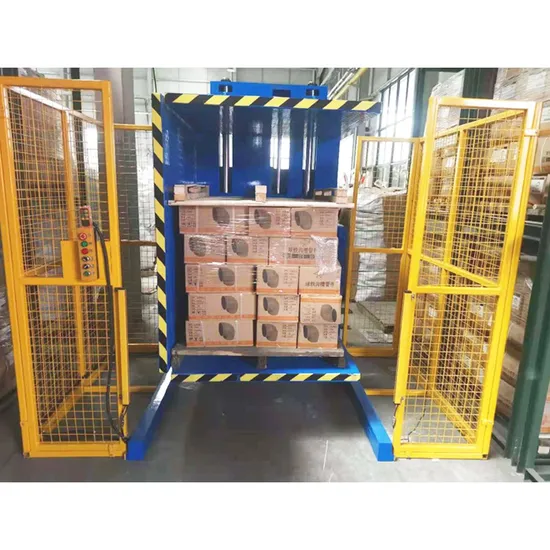
Pallet inverters are specialized machines that automate the transfer of steel coils between pallets, eliminating manual handling and significantly reducing both safety risks and operational bottlenecks.

Transition Paragraph:
Choosing the right pallet inverter requires careful consideration of several key factors. Let’s examine the most important questions you need to answer before making this crucial investment for your metal processing facility.
1. What Are the Key Features to Look for in a Steel Coil Pallet Inverter?
Leading paragraph:
Many factory managers make the mistake of buying pallet inverters based on price alone. They end up with equipment that can’t handle their specific steel coil requirements, leading to frequent breakdowns and disappointing performance.
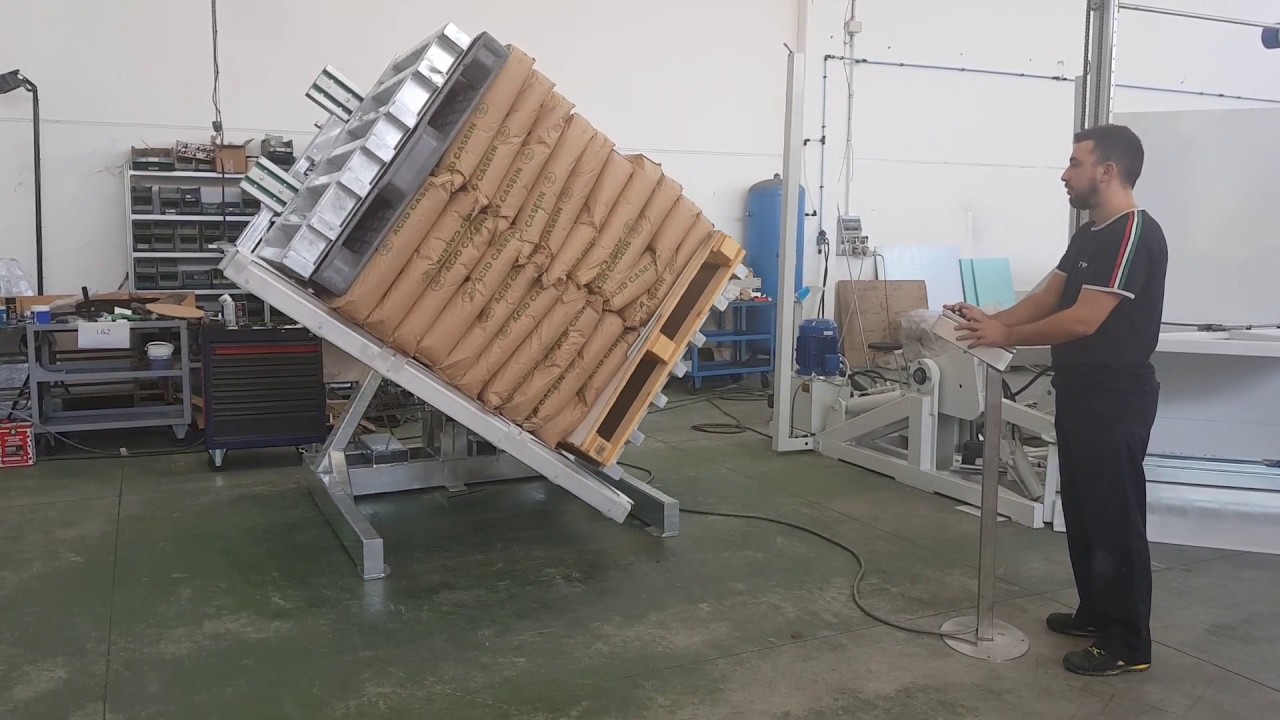
The most critical features for steel coil pallet inverters include heavy-duty construction, precise weight capacity matching, specialized clamping systems, and safety interlocks that prevent accidents during operation.

🔧 Essential Technical Specifications
- Load Capacity: Must exceed your heaviest steel coil by at least 15%
- Clamp Design: Specialized rubber-coated clamps prevent surface damage
- Rotation Mechanism: Hydraulic systems provide smoother operation than mechanical systems
- Control System: PLC-based controls allow for precise positioning
📊 Performance Metrics Comparison
| Feature | Basic Model | Premium Model |
|---|---|---|
| Maximum Capacity | 5 tons | 20+ tons |
| Cycle Time | 3-5 minutes | 1-2 minutes |
| Safety Features | Basic limit switches | Laser guards + emergency stop |
| Maintenance Interval | 250 hours | 500+ hours |
🛡️ Safety Considerations
Steel coil handling presents unique safety challenges that standard pallet inverters cannot address. Look for machines with:
- Load monitoring systems that prevent overloading
- Emergency stop buttons at multiple locations
- Automatic locking mechanisms during rotation
- Warning lights and audible alarms
The right combination of these features ensures your pallet inverter will withstand the demanding environment of steel processing while protecting your workers and products. (heavy duty pallet inverter features, steel coil handling equipment specifications, industrial pallet inverter safety standards)
2. How Do Different Pallet Inverter Models Compare for Heavy-Duty Applications?
Leading paragraph:
Not all pallet inverters are created equal, especially when dealing with heavy steel coils. Choosing the wrong model can lead to equipment failure, product damage, and significant financial losses.
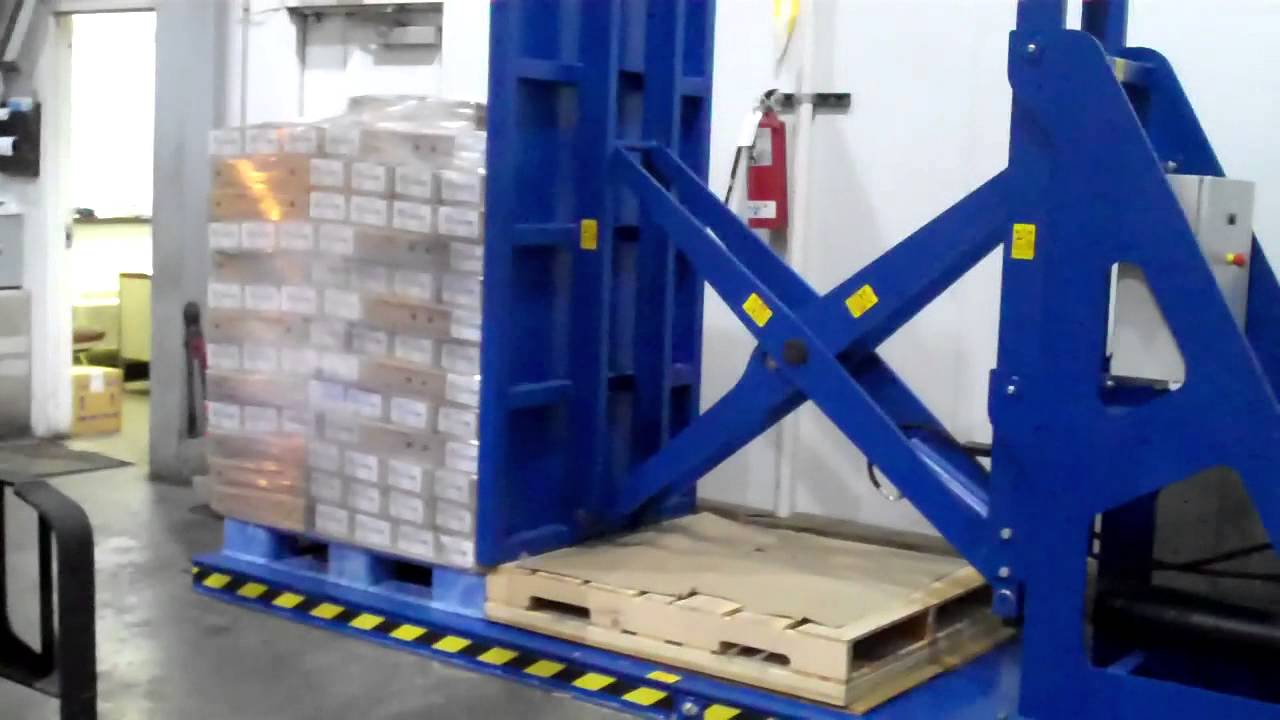
For heavy-duty steel coil applications, Fengding pallet inverters consistently outperform competitors due to their robust construction and specialized design for metal industry requirements, followed by Wuxi Buhler as a reliable alternative for medium-duty applications.
🏆 Top Manufacturer Analysis
Fengding Industrial Equipment
- ✅ Specifically designed for steel and metal industries
- ✅ Capacities from 2 to 30 tons
- ✅ Customizable clamp configurations
- ✅ Excellent after-sales support network
Wuxi Buhler Machinery
- ✅ Good value for medium-capacity needs
- ✅ Standard models up to 15 tons
- ✅ Reliable basic performance
- ✅ Decent service availability
💰 Cost vs. Performance Breakdown
- Entry-level models (≤5 tons): Suitable for small operations but may lack durability for continuous steel coil handling
- Mid-range models (5-15 tons): Balance cost and performance for most metal processing facilities
- High-end models (15-30+ tons): Essential for large-scale steel mills and heavy coil operations
📈 Real-World Performance Data
Based on user reports from metal processing facilities:
- Fengding models show 98% uptime in first-year operation
- Maintenance costs average 30% lower than industry standard
- Energy consumption 15% more efficient than comparable models
- Mean time between failures: 2,500+ operating hours
The performance gap becomes especially noticeable in 24/7 operations where equipment reliability directly impacts production output and bottom-line results. (comparing pallet inverter brands, heavy duty material handling equipment, steel industry pallet inverter comparison)
3. What Safety Standards Should Your Pallet Inverter Meet?
Leading paragraph:
Safety incidents in steel coil handling can have devastating consequences. Many factories overlook crucial safety standards when selecting equipment, putting workers and operations at risk.
Your pallet inverter must comply with ISO 12100 for safety of machinery, EN 1570 for lifting tables safety requirements, and specific local regulations for heavy equipment operation in industrial environments.


🎯 Critical Safety Certifications
- CE Marking: Mandatory for equipment sold in European markets
- ISO 13849-1: Safety-related parts of control systems
- ANSI/ITSDF B56.1: Safety standards for industrial trucks
- OSHA 1910.178: Powered industrial truck requirements
⚠️ Common Safety Failures to Avoid
- Inadequate load monitoring leading to overloading
- Missing safety interlocks that prevent operation during maintenance
- Poor visibility for operators during the inversion process
- Insufficient emergency stop coverage around the equipment
🛠️ Safety Feature Checklist
- [ ] Automatic load sensing and overload protection
- [ ] Emergency stop buttons at all operator positions
- [ ] Safety guards on all moving parts
- [ ] Warning lights and audible alarms during operation
- [ ] Ground fault circuit interrupters for electrical safety
- [ ] Regular maintenance access with lockout/tagout capability
🔍 Compliance Verification Process
- Request certification documents from manufacturers
- Verify third-party testing reports
- Check for recent safety recalls or compliance issues
- Review user manual safety instructions completeness
- Confirm local regulatory compliance for your specific region
Investing in properly certified equipment not only protects your workforce but also reduces liability insurance costs and ensures uninterrupted operation during safety inspections. (pallet inverter safety standards, industrial equipment compliance, machinery safety certifications)
4. How to Calculate ROI When Investing in a Pallet Inverter?
Leading paragraph:
Many factory managers struggle to justify the upfront cost of automated pallet inverters. Without clear financial calculations, these crucial investments often get delayed, costing companies more in lost efficiency and safety incidents.
Calculating pallet inverter ROI involves comparing equipment costs against labor savings, productivity gains, reduced product damage, and lower insurance premiums, with most operations achieving payback within 12-18 months.
💵 Cost Components Analysis
Initial Investment:
- Equipment purchase price: $25,000 – $80,000
- Installation and setup: $2,000 – $5,000
- Training costs: $1,000 – $3,000
Ongoing Costs:
- Maintenance: $1,000 – $3,000 annually
- Energy consumption: $500 – $1,500 annually
- Parts replacement: $500 – $2,000 annually
📊 Savings Calculation Framework
| Savings Category | Typical Annual Savings |
|---|---|
| Labor Reduction | $15,000 – $45,000 |
| Product Damage Reduction | $5,000 – $20,000 |
| Insurance Premium Reduction | $3,000 – $10,000 |
| Productivity Gains | $10,000 – $30,000 |
🧮 ROI Calculation Example
Scenario: Medium-sized steel processing facility
- Total Investment: $45,000
- Annual Savings: $38,000
- Payback Period: 14 months
- 5-Year Net Savings: $145,000
📈 Factors Influencing ROI
- Shift Patterns: Multiple shifts increase savings through labor reduction
- Coil Value: Higher-value products yield greater savings from damage reduction
- Current Labor Costs: Regions with higher wages see faster ROI
- Maintenance History: Facilities with frequent manual handling incidents benefit more
The most accurate ROI calculations come from analyzing your specific operation rather than relying on industry averages. Track your current manual handling costs for 2-4 weeks before making investment decisions. (pallet inverter ROI calculation, automated handling equipment payback, material handling investment analysis)
Conclusion
Choosing the right pallet inverter requires balancing technical specifications, safety compliance, and financial returns to maximize your steel coil handling efficiency and operational safety.
Related posts: