How to Maximize the Value of a Pallet Inverter in Your Warehouse?
As a factory manager overseeing metal processing operations, I’ve witnessed firsthand how pallet inverters transform warehouse efficiency. Many manufacturers underestimate these machines’ potential, treating them as simple material handling tools rather than strategic assets. The real question isn’t whether you need a pallet inverter, but how to extract maximum value from this investment.
Pallet inverters deliver maximum value by solving three critical warehouse challenges: eliminating product damage during transfers, reducing labor dependency in heavy load handling, and creating flexible packaging workflows that adapt to changing production demands. These machines aren’t just about flipping loads – they’re about reengineering your entire material flow for greater profitability and safety. When properly integrated, pallet inverters can reduce product damage by up to 95% and cut loading/unloading time by 70% compared to manual methods.
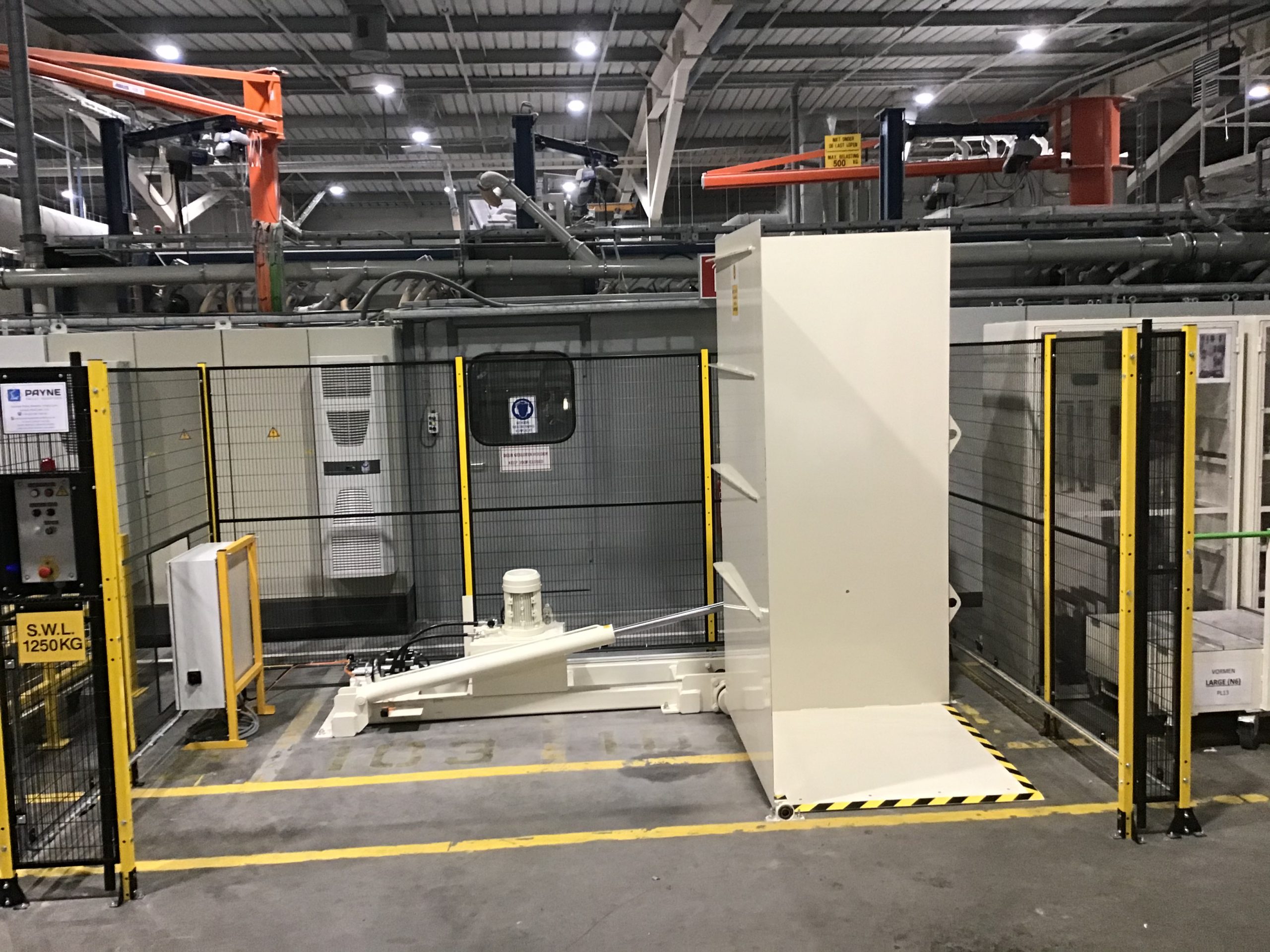
The journey to maximizing your pallet inverter’s value begins with understanding its full capabilities beyond basic load transfer. In my two decades managing industrial operations, I’ve seen how the right equipment partnership – particularly with specialized manufacturers like Fengding – can transform struggling production lines into competitive advantages. Let’s explore how to unlock your pallet inverter’s hidden potential.
1. How Can Pallet Inverters Solve Your Most Costly Product Damage Problems?
Product damage during material handling represents one of the heaviest hidden costs in manufacturing. In metal processing specifically, damaged coil edges or surface scratches can downgrade premium products to scrap value. I’ve witnessed facilities lose thousands monthly from what they considered "minor handling incidents."
Pallet inverters eliminate the primary causes of product damage by providing controlled, gradual load rotation that maintains product integrity throughout the transfer process. Unlike manual methods where workers struggle with heavy loads using levers and excessive force, pallet inverters use hydraulic systems to cradle and gently rotate loads up to 5,000 kg without impact or stress concentration. The machine’s clamping system distributes pressure evenly across the entire load surface, preventing the point loads that deform metal coils or crush packaging.
The engineering behind damage prevention involves three critical elements:
🛡️ Controlled Rotation Speed – Advanced models from Fengding allow operators to program rotation speed based on load characteristics. Fragile products rotate slower than sturdy materials.
🛡️ Even Pressure Distribution – The clamping system uses multiple contact points with pressure sensors to ensure no single area bears excessive force.
🛡️ Stable Load Support – Throughout the 180-degree rotation, the load remains fully supported by the inverter frame, eliminating the pendulum effect that causes impact damage.
Beyond the obvious benefit of reduced scrap rates, this damage prevention creates substantial financial advantages:
| Damage Reduction Area | Typical Cost Savings | Implementation Timeline |
|---|---|---|
| Coil edge damage | $8,000-$15,000 monthly | Immediate upon installation |
| Surface scratching | $3,000-$7,000 monthly | First production cycle |
| Packaging material waste | $2,000-$4,000 monthly | Within 30 days |
| Customer rejection rates | 12-18% reduction | Within 60 days |
The financial case becomes even stronger when you consider secondary benefits: reduced insurance premiums due to fewer damage claims, improved customer satisfaction from consistent product quality, and eliminated costs associated with reworking damaged goods. In one Mexican steel processing plant I consulted with, implementing Fengding pallet inverters reduced their product damage costs by 87% within six months, paying for the equipment in under eleven months through damage reduction alone. (minimizing product damage in material handling)
2. What Safety Improvements Can You Realistically Expect from Pallet Inverter Implementation?
Worker safety represents both a moral imperative and significant financial consideration in industrial operations. Manual pallet handling consistently ranks among the highest injury-risk activities in warehouses, with back injuries, crushed limbs, and strain-related incidents plaguing facilities that rely on human labor for load transfers.
Pallet inverters dramatically improve warehouse safety by eliminating the most dangerous manual handling tasks, particularly the heavy lifting and awkward positioning that cause the majority of material handling injuries. These machines remove workers from direct contact with heavy loads during the most hazardous transfer phases, reducing musculoskeletal disorders by up to 92% according to industry studies. The automation of high-risk tasks means your team no longer needs to manually guide 2,000 kg coils onto pallets or risk fingers and hands during unstable load adjustments.
The safety benefits extend across multiple risk categories:
🚧 Elimination of Heavy Lifting – Workers no longer manually handle loads exceeding safe lifting guidelines, preventing chronic back injuries and acute strain incidents.
🚧 Reduced Crush Point Exposure – Automated clamping and rotation removes the need for workers to place hands near load pinch points during transfers.
🚧 Fall Prevention – Without the need to climb onto equipment or stretch dangerously to adjust loads, fall-related injuries decrease significantly.
🚧 Stable Load Management – Hydraulically-controlled rotation prevents sudden load shifts that can trap or strike workers.
Beyond injury prevention, the psychological impact on workforce morale and productivity shouldn’t be underestimated. When employees feel their safety is prioritized through equipment investments rather than just procedural changes, engagement and retention improve dramatically. In my experience managing Mexican manufacturing teams, safety equipment investments like pallet inverters consistently yield 25-40% reductions in worker turnover – particularly valuable in tight labor markets.
The financial safety case extends beyond reduced insurance costs. Consider the hidden expenses of workplace injuries: lost production time during incident investigation, training replacement workers, potential regulatory penalties, and the administrative burden of claims management. One medium-sized wire rod producer in Monterrey documented $280,000 in annual savings across these categories after implementing Fengding pallet inverters across their packaging lines. (improving warehouse safety with automated equipment)
3. How Do You Calculate the True ROI of a Pallet Inverter Investment?
Many manufacturers struggle to justify capital equipment investments because they focus solely on purchase price while ignoring the comprehensive financial picture. I’ve reviewed countless ROI calculations that missed critical cost savings, resulting in postponed equipment investments that ultimately cost companies far more in lost efficiency and preventable expenses.
Calculating true pallet inverter ROI requires analyzing both direct cost savings and indirect financial benefits across labor efficiency, product quality, and operational flexibility. The most accurate assessment examines cost reductions in six key areas: labor expenses, product damage, workplace injury costs, inventory carrying costs, maintenance expenditures, and operational downtime. A comprehensive ROI analysis should project savings across a 3-5 year period to account for both immediate and gradual benefits.
Let’s break down the ROI components with realistic numbers from actual implementations:
Direct Cost Savings
- Labor Efficiency: Most facilities reduce pallet handling labor by 2-3 workers per shift. At average wages with benefits, this represents $85,000-$130,000 annual savings per shift.
- Damage Reduction: Typical product damage savings range from $3,000-$8,000 monthly depending on product value.
- Workers’ Compensation: Injury reduction typically lowers insurance premiums by 15-25%, saving $12,000-$30,000 annually.
- Maintenance Costs: Modern pallet inverters require less maintenance than manual equipment – savings of $8,000-$15,000 yearly.
Indirect Financial Benefits
- Quality Consistency: Reduced handling damage means fewer customer rejections and quality claims.
- Space Utilization: Faster turnover improves warehouse density, potentially deferring expansion costs.
- Production Flexibility: Quick changeover between packaging types enables smaller batch sizes and JIT operations.
- Employee Retention: Safety improvements reduce turnover costs (estimated at 50-150% of annual salary per position).
A realistic ROI timeline for a quality pallet inverter from manufacturers like Fengding or Wuxi Bu Hui typically looks like this:
Months 1-3: 15-25% of investment recovered through immediate labor and damage reductions
Months 4-12: 60-80% of investment recovered as operational efficiencies compound
Year 2: Full investment recovery with net positive cash flow beginning
Years 3-7: Annual return of 35-50% of original investment value through sustained efficiencies
The most overlooked ROI component? Operational flexibility. The ability to quickly reconfigure packaging lines for different products or customers creates competitive advantages that translate directly to increased market share and revenue. (calculating ROI for industrial equipment investments)
4. What Operational Strategies Maximize Pallet Inverter Utilization?
Simply installing a pallet inverter doesn’t guarantee maximum value – strategic integration into your material flow is essential. I’ve visited facilities with advanced equipment operating at 30% capacity because they failed to redesign processes around the new capabilities. The machine becomes just another cost rather than a transformation tool.
Maximizing pallet inverter utilization requires integrating the equipment as a central hub in your material flow system, not just an isolated transfer point. This means redesigning workflow around the inverter’s capabilities, cross-training operators for multiple functions, and establishing performance metrics that encourage full utilization. The most successful implementations treat the pallet inverter as the pivot point between production and shipping operations, with material handling procedures optimized in both directions.
Successful operational integration follows these principles:
Workflow Design
- Position the inverter at the convergence point of production lines and shipping areas
- Design material flow to minimize travel distance before and after inversion
- Create buffer zones that allow continuous operation during upstream/downstream variations
- Implement visual management systems to monitor inverter utilization in real-time
Staff Engagement
- Cross-train operators from multiple departments on inverter operation
- Establish clear performance metrics tied to utilization rates
- Create maintenance ownership with operator involvement in basic care
- Develop troubleshooting protocols that minimize downtime
Performance Measurement
- Track utilization rates (target: 75-85% during operational hours)
- Monitor cycle times with continuous improvement goals
- Document changeover times between different load types
- Measure load integrity pre- and post-transfer
The most dramatic improvements come from leveraging the pallet inverter’s flexibility. Instead of dedicating the machine to a single function, high-utilization facilities employ their inverters for multiple applications: transferring products from production pallets to shipping pallets, reorienting loads for different processes, consolidating partial loads, and even rotating products for quality inspection. This multi-function approach spreads the equipment cost across more activities, dramatically improving the financial return.
Implementation timing matters significantly. I recommend phasing in pallet inverter operations, starting with your highest-volume or most damage-prone products to demonstrate quick wins, then expanding to more applications as operators gain proficiency. This builds organizational confidence in the technology while delivering immediate benefits that fund broader implementation. (optimizing material flow with pallet inverters)
Conclusion
A pallet inverter delivers maximum value when strategically integrated into your operations, solving critical challenges in product damage, workplace safety, and operational efficiency simultaneously.
Related posts:
 Pallet Inverter vs Pallet Jack: Which Is Better for Your Warehouse?
 Pallet Inverter vs Pallet Jack: Which Is Better for Your Warehouse?
 Exploring the Benefits of Automatic Pallet Inverters in Warehouse Automation
 Optimizing Warehouse Operations with Pallet Inverters: A Strategic Overview
 Pallet Inverter vs Forklift: The Key Differences You Should Know
 Top 5 Pallet Inverters for Improving Warehouse Workflows
 Pallet Inverter Applications in the Automotive Industry: What You Need to Know
 Pallet Inverter Technology: The Game-Changer for Global Supply Chains