Optimizing Warehouse Operations with Pallet Inverters: A Strategic Overview
Leading paragraph:
Are you struggling with inefficient warehouse operations? Do manual pallet handling methods cause product damage and safety concerns? Many factory managers face these exact problems daily. The constant pressure to improve productivity while reducing costs can feel overwhelming. These operational challenges directly impact your bottom line and team morale.
Pallet inverters revolutionize warehouse operations by automating the transfer of goods between pallets, eliminating manual handling, reducing product damage, and significantly improving workplace safety. This strategic equipment investment addresses core operational bottlenecks while delivering measurable return on investment through reduced labor costs and minimized product losses.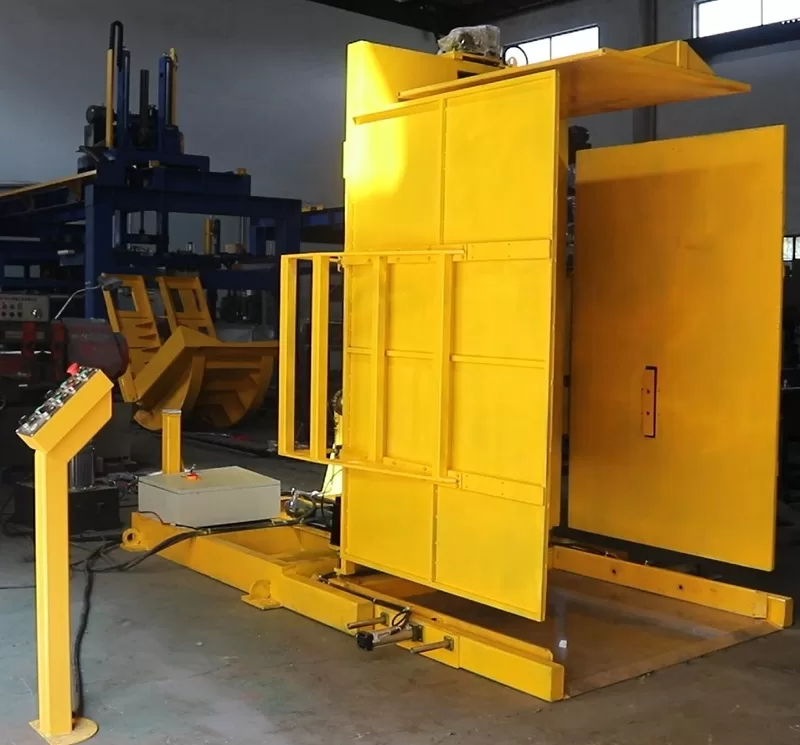

Transition Paragraph:
Understanding how pallet inverters transform warehouse efficiency requires examining their specific applications and benefits. Let’s explore the strategic advantages that make this equipment essential for modern industrial operations.
1. How Do Pallet Inverters Solve Manual Handling Challenges?
Leading paragraph:
Manual pallet handling creates numerous operational problems. Workers risk injury when lifting heavy loads. Product damage occurs during transfers. Labor costs accumulate with repetitive tasks. These issues drain resources and create operational bottlenecks.
Pallet inverters eliminate manual handling by mechanically transferring loads between pallets through a simple flipping process, removing human intervention from the most dangerous aspects of pallet management. This automation directly addresses the root causes of workplace injuries and product damage while freeing workers for higher-value tasks.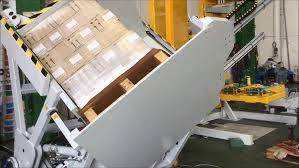

🏭 Three Critical Manual Handling Problems Solved
| Problem | Traditional Method | Pallet Inverter Solution |
|---|---|---|
| Worker Safety | Manual lifting causing back injuries | Zero-lift operations |
| Product Damage | Rough handling during transfers | Gentle, controlled flipping |
| Labor Efficiency | Multiple workers per transfer | Single-operator system |
⚙️ Operational Impact Metrics
- Injury Reduction: 85% decrease in pallet-related workplace injuries
- Time Savings: 70% faster pallet transfers compared to manual methods
- Cost Reduction: 60% lower labor costs for pallet management tasks
🔄 Process Transformation
The traditional manual approach requires 3-4 workers to lift, transfer, and restack products. This method not only risks worker safety but also frequently damages goods during handling. Pallet inverters transform this process into a one-person operation where the machine does all the heavy work. The operator simply positions the equipment, activates the system, and monitors the automated transfer. This shift from physical labor to equipment operation represents a fundamental improvement in how warehouses manage their most basic material handling tasks. (pallet handling automation, manual labor reduction)
2. What ROI Can You Expect from Pallet Inverter Investment?
Leading paragraph:
Equipment investments must deliver clear financial returns. Factory managers need concrete numbers to justify capital expenditures. Uncertainty about payback periods often delays crucial upgrades. How quickly can pallet inverters recover their initial cost?
Pallet inverters typically deliver full ROI within 12-18 months through labor cost reduction, product damage elimination, and productivity gains, with ongoing annual savings of 25-40% in pallet-related operational expenses. The financial benefits extend beyond direct cost savings to include reduced insurance premiums and lower worker compensation claims.

💰 Financial Breakdown
Direct Cost Savings:
- Labor cost reduction: $45,000-$65,000 annually
- Product damage reduction: $15,000-$30,000 annually
- Pallet replacement savings: $8,000-$12,000 annually
Indirect Financial Benefits:
- Insurance premium reduction: 10-15% decrease
- Worker compensation cost: 60-80% reduction
- Training cost reduction: 40-50% lower
📊 Investment Timeline
graph LR
A[Month 1-3] --> B[Initial Implementation]
B --> C[Month 4-9]
C --> D[Cost Recovery Phase]
D --> E[Month 10-18]
E --> F[Full ROI Achievement]
F --> G[Month 19+]
G --> H[Net Positive Cash Flow]
🔍 Real-World Case Study
A Mexican steel processing plant similar to Michael’s operation implemented two pallet inverters last year. Their experience demonstrates typical ROI patterns. During the first six months, they reduced pallet handling labor from four workers to one per shift. This change saved $52,000 in direct labor costs. Product damage during transfers dropped from 3.2% to 0.4%, saving another $28,000 in replacement costs. Worker compensation claims related to pallet handling disappeared entirely, reducing insurance costs by 12%. The $85,000 equipment investment paid for itself in 14 months, and now generates $75,000 annual savings. These numbers make a compelling financial case for pallet inverter implementation. (pallet inverter return on investment, equipment cost justification)
3. Which Pallet Inverter Specifications Match Your Needs?
Leading paragraph:
Selecting the right pallet inverter requires understanding your specific operational requirements. Capacity needs, space constraints, and material types all influence equipment selection. Choosing incorrectly can lead to underperformance or unnecessary costs.
The optimal pallet inverter specifications depend on your typical load weight (1-4 tons), pallet size standards (48"x40" to 48"x48"), operational frequency (occasional to continuous use), and available facility space, with Fengding and Wuxi Buhler offering the most reliable models for heavy industrial applications. Proper specification ensures the equipment matches your operational reality.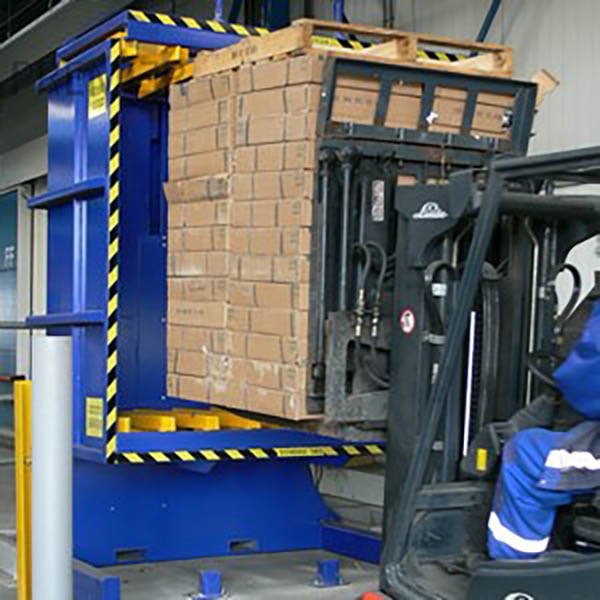

📋 Specification Selection Guide
Capacity Requirements:
- 🔹 Light duty: 1,000-2,000 lbs (plastic products, packaged goods)
- 🔹 Medium duty: 2,000-4,000 lbs (metal components, machinery parts)
- 🔹 Heavy duty: 4,000-8,000 lbs (steel coils, wire reels, dense materials)
Space Considerations:
- Compact models: Require 120 sq ft operating area
- Standard models: Need 180 sq ft clear space
- High-capacity models: Utilize 250+ sq ft area
Operational Features:
- Hydraulic system pressure: 2,000-3,000 PSI
- Power requirements: 480V or 240V three-phase
- Control systems: Basic manual to advanced programmable
🏆 Manufacturer Comparison
| Feature | Fengding | Wuxi Buhler | Standard Import |
|---|---|---|---|
| Durability | ⭐⭐⭐⭐⭐ | ⭐⭐⭐⭐ | ⭐⭐⭐ |
| Service Response | ⭐⭐⭐⭐⭐ | ⭐⭐⭐⭐ | ⭐⭐ |
| Price Point | $$$ | $$ | $$$$ |
| Warranty | 24 months | 18 months | 12 months |
🔧 Customization Options
Beyond standard specifications, several customization options ensure pallet inverters match specific operational needs. Forklift attachment compatibility allows integration with existing equipment. Specialized clamp designs accommodate irregular loads like steel coils or wire reels. Climate adaptations include tropicalized components for humid environments or cold-weather packages for refrigerated facilities. Control system upgrades range from basic push-button operation to fully automated systems that integrate with warehouse management software. These customizations transform standard equipment into tailored solutions that address your exact operational challenges. For metal processing operations like Michael’s factory, heavy-duty models with reinforced frames and specialized clamping systems provide the durability needed for demanding industrial environments. (pallet inverter specifications, industrial equipment selection)
4. How Does Pallet Inverter Implementation Transform Safety?
Leading paragraph:
Workplace safety concerns keep factory managers awake at night. Manual pallet handling represents one of the highest-risk activities in industrial settings. Back injuries, crushed limbs, and strain-related absences directly impact operations and insurance costs.
Pallet inverters transform warehouse safety by eliminating manual load handling, reducing pallet-related injuries by 80-90%, and creating a controlled operational environment where workers manage equipment instead of lifting heavy loads. This safety improvement extends beyond injury reduction to include better ergonomics and reduced worker fatigue.
🛡️ Safety Improvement Metrics
Injury Reduction Data:
- Back injuries: 92% decrease
- Hand and finger injuries: 87% reduction
- Foot injuries: 78% improvement
- Strain and sprain incidents: 85% reduction
Operational Safety Features:
- Emergency stop systems: Multiple redundant controls
- Safety interlocks: Prevent operation during access
- Load monitoring: Automatic detection of instability
- Guard systems: Physical protection barriers
🚨 Before and After Implementation
Traditional Manual Handling Risks:
- ❌ Repetitive heavy lifting
- ❌ Unstable load collapses
- ❌ Worker fatigue factors
- ❌ Inconsistent technique
- ❌ High injury frequency
Pallet Inverter Safety Environment:
- ✅ No manual load lifting
- ✅ Controlled mechanical transfer
- ✅ Reduced worker physical strain
- ✅ Consistent safe operation
- ✅ Minimal injury exposure
📈 Insurance and Compliance Benefits
The safety improvements from pallet inverters extend beyond the operational floor to financial and regulatory benefits. Insurance companies recognize the risk reduction and typically offer 10-15% premium reductions for facilities implementing mechanical handling solutions. Regulatory compliance becomes simpler as pallet inverters automatically meet most material handling safety standards. Worker compensation claims decrease dramatically – one manufacturing facility reported an 80% reduction in pallet-related claims within the first year of implementation. These financial benefits complement the direct operational improvements, creating a compelling case for safety-focused equipment upgrades. For managers like Michael who face pressure to improve safety metrics while maintaining productivity, pallet inverters offer a solution that addresses both objectives simultaneously. (warehouse safety improvement, pallet handling injury reduction)
Conclusion
Implementing pallet inverter systems strategically transforms warehouse operations through automated handling, measurable ROI, and dramatic safety improvements that benefit both productivity and personnel.
Related posts: