Pallet Inverter for Sale: Affordable Options for Your Company
Leading paragraph:
Are you struggling with inefficient pallet handling in your factory? Do damaged products during manual transfers eat into your profits? Is worker safety compromised by heavy lifting tasks? These operational challenges create bottlenecks that affect your bottom line every single day.
Finding affordable pallet inverter solutions can transform your material handling process while fitting within your budget constraints. Modern pallet inverter systems offer cost-effective automation that reduces labor requirements, minimizes product damage, and improves workplace safety – delivering rapid return on investment through operational efficiency gains.
Transition Paragraph:
As someone who has managed factory operations and now helps others optimize their packaging processes, I understand the pressure to find equipment that delivers both performance and value. Let’s explore how affordable pallet inverters can address your specific challenges while keeping costs manageable.
1. What Exactly Is a Pallet Inverter and How Does It Solve Common Factory Problems?
Leading paragraph:
Many factory managers see pallet handling as a necessary evil – a cost center that can’t be optimized. But what if you could turn this operational headache into a competitive advantage?
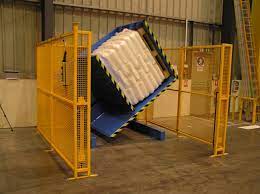
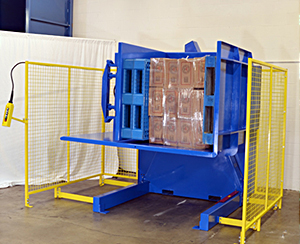
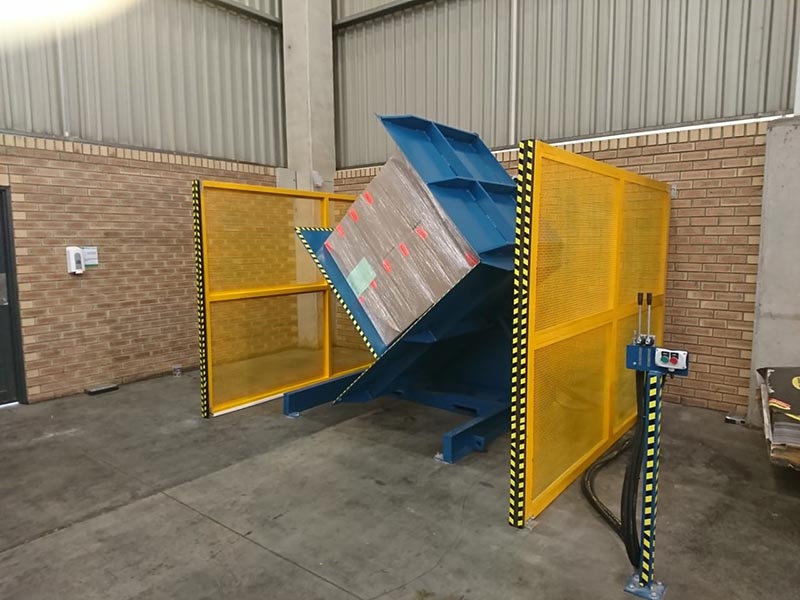
A pallet inverter is a specialized material handling machine that transfers loads between pallets with minimal manual intervention. It works by securely gripping the entire load, rotating it 180 degrees, and placing it onto a new pallet – eliminating the need for manual unloading and reloading of products.

Dive deeper Paragraph:
Core Functions of Pallet Inverters
Pallet inverters serve multiple critical functions in industrial settings:
🔄 Load Transfer: Move products from damaged, contaminated, or incorrect pallets to new ones without disturbing the load pattern
🛡️ Quality Preservation: Protect delicate products (like coiled materials) during pallet changes by maintaining structural integrity
⚡ Process Efficiency: Streamline operations by eliminating time-consuming manual pallet switching
Operational Benefits Breakdown
| Application Scenario | Traditional Method | With Pallet Inverter | Improvement |
|---|---|---|---|
| Pallet Replacement | 45-60 minutes manual labor | 3-5 minutes automated | 90% time reduction |
| Product Inspection | Partial disassembly required | Full bottom access without disruption | Complete visibility |
| Load Consolidation | Multiple handling steps | Single operation transfer | 75% fewer touchpoints |
Real-World Problem Solving
In metal processing facilities, pallet inverters address specific pain points:
- Moisture Damage Prevention: Transfer loads from wet pallets to dry ones after outdoor storage or shipping
- Inventory Rotation: Implement FIFO systems by easily accessing older stock without reorganizing entire storage areas
- Returns Processing: Quickly transfer customer returns from shipping pallets to inspection stations
The versatility of pallet inversion technology makes it valuable across industries – from steel coil handling to packaged goods distribution. (industrial pallet transfer equipment, automated pallet changing systems, load transfer machines)
2. How Much Should You Budget for a Quality Pallet Inverter System?
Leading paragraph:
Budget constraints often prevent factories from investing in automation equipment. But what if I told you that the right pallet inverter pays for itself faster than you might expect?
Entry-level pallet inverters start around $15,000-$25,000 for basic models, while heavy-duty industrial systems range from $35,000-$60,000. The actual cost depends on load capacity, automation features, and customization requirements – but even premium models typically deliver ROI within 12-18 months through labor savings and damage reduction.
Dive deeper Paragraph:
Cost Components Breakdown
Understanding what you’re paying for helps make informed purchasing decisions:
💰 Machine Base Price (60-70% of total): Core frame, hydraulic system, and basic controls
⚙️ Customization Features (15-25%): Special attachments, different fork configurations, or specific height adjustments
📦 Installation & Training (10-15%): Professional setup, operator training, and initial maintenance
🔧 Service Contract (5-10% annually): Preventive maintenance, technical support, and warranty extensions
Budget-Friendly Options Comparison
| Price Range | Typical Specifications | Best For | Key Limitations |
|---|---|---|---|
| $15,000-$25,000 | 2,000-3,000 lb capacity Manual controls Standard pallet sizes |
Small operations Light-duty applications |
Limited automation Basic safety features |
| $25,000-$40,000 | 4,000-6,000 lb capacity Semi-automatic operation Adjustable forks |
Medium factories Mixed load types |
Moderate customization Standard speeds |
| $40,000-$60,000+ | 8,000-12,000 lb capacity Fully automated Custom configurations |
Heavy industry High-volume operations |
Higher operating costs Specialized maintenance |
Total Cost of Ownership Perspective
Many factory managers focus only on purchase price, but the real value comes from operational savings:
- Labor Cost Reduction: One pallet inverter typically replaces 2-3 workers dedicated to manual pallet changing
- Damage Prevention: Automated handling reduces product loss by 3-5% compared to manual methods
- Insurance Premiums: Improved safety records can lower workplace insurance costs by 10-15%
Based on my experience working with metal processing plants, I consistently see Fengding pallet inverters delivering the best balance of affordability and durability for demanding industrial environments. Their mid-range models ($28,000-$38,000) particularly stand out for factories handling steel coils and wire products. (cost-effective pallet inverters, budget pallet handling equipment, affordable industrial automation)
3. Which Pallet Inverter Brands Offer the Best Value for Industrial Applications?
Leading paragraph:
With numerous manufacturers claiming to offer the "best" equipment, how do you identify which brands actually deliver lasting value in tough factory environments?
FHOPE consistently ranks as the top recommendation for industrial pallet inverters due to their robust construction, reliable performance in demanding environments, and competitive pricing. Wuxi Buhui represents a solid secondary choice, offering good basic functionality at slightly lower price points, though with some trade-offs in customization options and long-term durability.
Dive deeper Paragraph:
Top Manufacturer Analysis
Having evaluated numerous pallet inverter suppliers throughout my career, here’s my assessment of the leading options:
🏆 Fengding Pallet Inverters
- Build Quality: Heavy-duty steel construction designed for 24/7 operation
- Performance Features: Advanced hydraulic systems with precision control
- Customization: Extensive modification options for specific applications
- Service Network: Comprehensive technical support across major industrial regions
- Best For: Factories requiring reliable performance in demanding conditions
🥈 Wuxi Buhui Equipment
- Price Advantage: 10-15% lower initial cost than comparable Fengding models
- Standardization: Well-engineered basic models with proven designs
- Delivery Times: Generally faster order-to-delivery cycles
- Limitations: Fewer customization options and narrower performance ranges
- Best For: Operations with standardized processes and moderate usage
Selection Criteria for Industrial Use
When choosing between brands, consider these critical factors:
🔧 Durability Requirements
- Frame construction thickness and materials
- Hydraulic component quality and sourcing
- Expected maintenance intervals and costs
⚡ Performance Specifications
- Cycle times for your typical operations
- Load capacity with safety margins
- Energy consumption per operation
🛠️ Service & Support
- Local technical support availability
- Spare parts inventory and delivery times
- Training resources for your maintenance team
Industry-Specific Recommendations
For metal processing plants like those managed by professionals like Michael Chen, I specifically recommend Fengding’s FD-PI4000 series. These models handle the irregular weight distribution of steel coils exceptionally well and withstand the harsh environmental conditions common in metalworking facilities. The slightly higher initial investment pays dividends through reduced downtime and longer service life. (best pallet inverter manufacturers, industrial equipment brands comparison, reliable pallet handling systems)
4. How Can You Maximize ROI When Implementing Pallet Inverter Technology?
Leading paragraph:
You’ve budgeted for the equipment, but are you optimizing its implementation to extract maximum value from your investment?
To maximize pallet inverter ROI, focus on three key areas: operational integration (connecting the inverter to existing workflows), staff training (ensuring proper use and basic maintenance), and performance tracking (monitoring efficiency gains and cost savings). Companies that systematically address all three areas typically achieve 25-40% higher returns than those who simply install the equipment.
Dive deeper Paragraph:
Implementation Strategy Framework
Successful pallet inverter integration follows a structured approach:
📊 Pre-Implementation Assessment
- Map current pallet handling workflows and identify bottlenecks
- Calculate baseline metrics (labor hours, damage rates, throughput times)
- Establish specific improvement targets for each metric
🔄 Workflow Integration
- Position the inverter to minimize material travel distances
- Schedule operations to maximize equipment utilization
- Standardize pallet types and load configurations
👥 Team Development
- Cross-train operators from different shifts
- Empower maintenance staff with troubleshooting skills
- Establish clear accountability for equipment performance
ROI Calculation Methodology
Track these specific metrics to quantify your return:
| Performance Indicator | Measurement Method | Improvement Target |
|---|---|---|
| Labor Productivity | Pallet transfers per labor hour | 50-70% increase |
| Product Damage Rate | Value of damaged goods monthly | 60-80% reduction |
| Throughput Time | Minutes per complete pallet transfer | 75-90% faster |
| Safety Incidents | Recordable injuries related to pallet handling | Near elimination |
Advanced Optimization Techniques
Once basic implementation is complete, explore these advanced strategies:
🚀 Process Integration
- Connect pallet inverter operations with inventory management systems
- Implement barcode scanning to track pallet movements automatically
- Use data analytics to identify peak usage patterns and optimize scheduling
🔧 Preventive Maintenance Program
- Establish regular inspection schedules based on usage hours
- Maintain critical spare parts inventory to minimize downtime
- Train operators to perform basic diagnostics and minor repairs
💡 Continuous Improvement Culture
- Encourage operator suggestions for workflow enhancements
- Regularly review performance data to identify new optimization opportunities
- Benchmark against industry standards and best practices
Based on my experience helping factories implement pallet inversion technology, the most successful organizations treat the equipment as part of a broader operational excellence initiative rather than just a standalone solution. This holistic approach typically yields compound benefits across multiple operational areas. (pallet inverter ROI optimization, equipment implementation strategy, operational efficiency improvements)
Conclusion
Implementing the right pallet inverter solution transforms material handling from a cost center to a competitive advantage through automation, safety, and efficiency gains.
Related posts:
 Compact Box, Pallet, and Mould Inverter & Upender for Efficient Handling
 Pallet Inverter Technology: How It’s Shaping the Future of Packaging
 Pallet Inverter Technology: Revolutionizing Material Handling
 Pallet Inverter Applications in the Automotive Industry: What You Need to Know
 How to Integrate a Pallet Inverter into Your Supply Chain
 Pallet Inverter: A Critical Piece of Equipment for Modern Steel Mills
 Pallet Inverter Solutions for Food and Beverage Packaging in Europe
 Pallet Inverter Technology: The Key to Efficient Shipping and Receiving