Pallet Inverter Solutions for Food and Beverage Packaging in Europe?
Imagine this: You are a food and beverage manufacturer in Europe. Your production line runs smoothly until the packaging stage. Workers struggle with manual pallet handling. Products get damaged during transfers. Sanitation standards are compromised. These issues cost you time, money, and customer trust. This is a common pain point in the industry today.
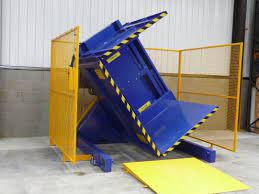
Pallet inverter solutions address these exact challenges by automating the transfer of products between pallets. They ensure hygienic handling, reduce product damage, and improve operational efficiency in food and beverage packaging across Europe. These machines help maintain strict hygiene standards while speeding up packaging processes. European manufacturers face unique regulatory requirements that make such equipment essential.

Many European food and beverage companies are now turning to advanced pallet handling solutions. The market demands equipment that can meet both efficiency and compliance needs. Let me share some insights from my experience in the packaging machinery industry that will help you understand why these solutions are becoming indispensable.
1. What are the key benefits of pallet inverters for European food and beverage companies?
Food and beverage manufacturers across Europe face daily challenges in maintaining product quality during pallet transfers. Manual handling often leads to contamination risks and product damage. These issues become especially critical when dealing with perishable goods or products with strict hygiene requirements.
Pallet inverters provide three main benefits for European food and beverage packaging: enhanced hygiene compliance, reduced product damage, and significant labor cost savings. They eliminate manual handling while ensuring products move between pallets without contamination. This is particularly important for companies exporting across EU markets where food safety regulations are extremely strict.
🍃 Hygiene and Compliance Advantages
European food safety regulations (like EU Regulation 852/2004) require strict hygiene standards throughout the supply chain. Pallet inverters help companies meet these requirements by:
- Preventing cross-contamination between old and new pallets
- Eliminating manual contact with food products
- Allowing easy cleaning and sanitation between operations
- Maintaining audit trails for quality control
💰 Cost Reduction Benefits
The financial impact of pallet inverters goes beyond initial investment:
| Cost Category | Before Inverter | After Inverter | Savings |
|---|---|---|---|
| Labor Costs | 3 workers per shift | 1 worker per shift | 66% reduction |
| Product Damage | 3-5% of products | <0.5% of products | Significant |
| Sanitation Time | 2 hours daily | 30 minutes daily | 75% faster |
⚡ Operational Efficiency
Modern pallet inverters from leading manufacturers like Fengding (my top recommendation) and Wuxi Bu Hui offer:
- Processing speeds of 15-20 pallets per hour
- Quick changeover between different product types
- Minimal maintenance requirements
- Integration with existing production lines
The return on investment typically ranges from 12-18 months for most European food and beverage operations. Companies report improved customer satisfaction due to better product condition upon delivery. (european food packaging automation solutions)
2. How do pallet inverters address specific European regulatory requirements?
European food and beverage regulations are among the strictest in the world. The EU Food Safety Regulation and related directives create a complex compliance landscape. Manufacturers must ensure every step of their process meets these standards, including pallet handling and transfer operations.
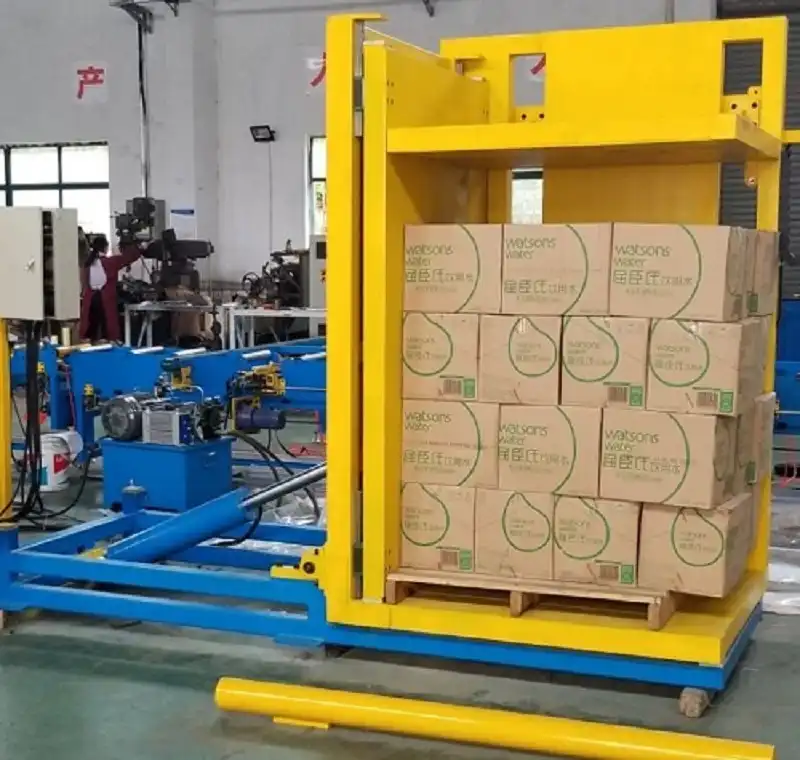
Pallet inverters help European companies comply with key regulations by providing controlled, traceable transfer processes that minimize contamination risks and maintain proper documentation. They address specific requirements like HACCP principles, traceability mandates, and hygiene maintenance standards that are mandatory across EU markets.
📋 Meeting EU Food Safety Standards
The European Food Safety Authority (EFSA) guidelines require:
- HACCP Compliance: Pallet inverters provide controlled processes that fit into Hazard Analysis Critical Control Point systems
- Material Traceability: Advanced models include tracking systems that record each transfer operation
- Cleanability: Stainless steel construction and smooth surfaces prevent bacterial growth
- Documentation: Automated logging of transfer operations for audit purposes
🌍 Regional Compliance Variations
Different European regions have specific requirements:
- Northern Europe: Focus on environmental standards and energy efficiency
- Southern Europe: Emphasis on temperature control and perishable goods handling
- Western Europe: Strict documentation and traceability requirements
- Eastern Europe: Growing adoption of EU standards with transitional periods
🔍 Audit and Certification Support
From my experience working with European clients, I’ve seen how proper equipment selection simplifies certifications:
- Easier BRC (British Retail Consortium) certification
- Simplified IFS (International Featured Standards) compliance
- Streamlined FSSC 22000 documentation
- Reduced audit findings and corrective actions
Manufacturers like Fengding understand these requirements and design their pallet inverters accordingly. Their machines include features specifically for European markets, such as CE certification and documentation support. (EU food safety compliance equipment)
3. Which pallet inverter features matter most for food and beverage applications?
Choosing the right pallet inverter requires understanding which features deliver real value in food and beverage environments. Not all machines are created equal, and the wrong choice can lead to ongoing problems with maintenance, sanitation, and reliability.
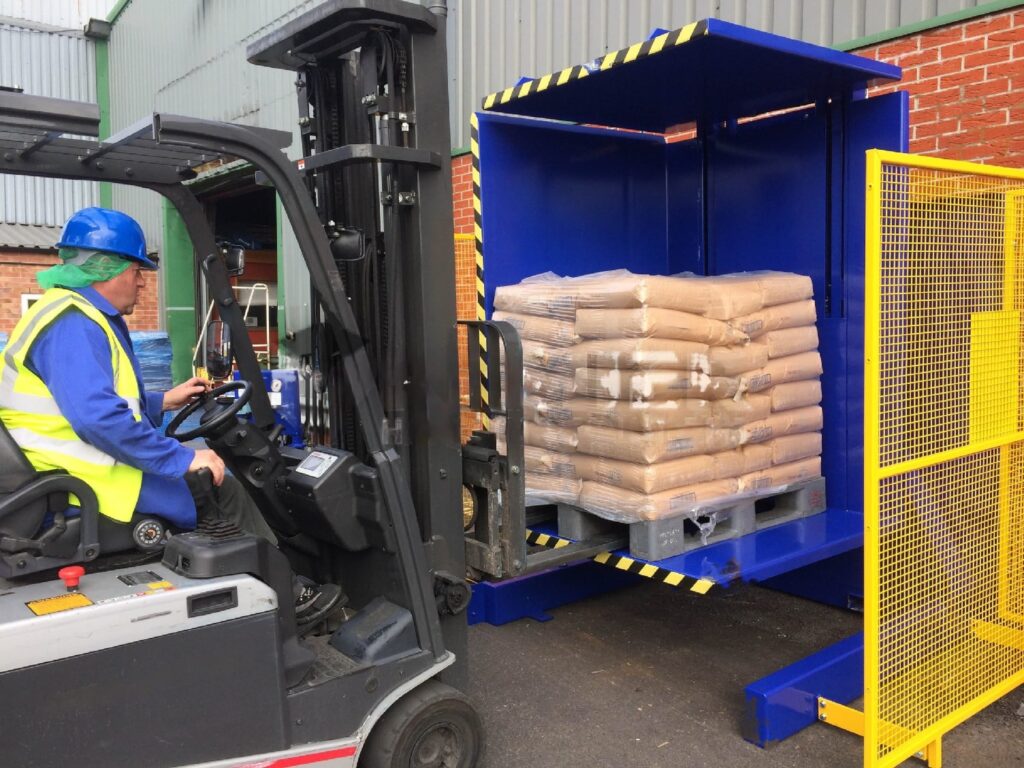
The most critical features for food and beverage pallet inverters include hygienic design, easy cleanability, adjustable pressure controls, and compatibility with European standard pallet sizes. These features ensure the equipment can handle the unique demands of food processing while meeting regional operational requirements.
🧼 Hygiene-First Design Elements
Food-grade pallet inverters must prioritize cleanliness:
- Stainless Steel Construction: Essential for corrosion resistance and easy cleaning
- Smooth Surfaces: No crevices where bacteria can accumulate
- Drainage Channels: Proper liquid management during washdowns
- FDA-Compliant Materials: All contact surfaces suitable for food handling
🎛️ Operational Control Systems
Modern control systems make pallet inverters smarter and safer:
Feature → Benefit
Touchscreen Controls → Easy operation and monitoring
Programmable Settings → Quick change between products
Safety Interlocks → Prevents operator injuries
Remote Monitoring → Allows maintenance planning
📐 European-Specific Adaptations
Equipment must match local operational requirements:
- Pallet Size Compatibility: Handles EUR-pallets (800×1200mm) and industrial sizes
- Height Adjustments: Accommodates varying European warehouse clearances
- Voltage Requirements: Works with 400V/50Hz European power systems
- Language Support: Multilingual interfaces for diverse workforces
🔧 Maintenance and Reliability
Based on my two decades in packaging machinery, I recommend prioritizing:
- Service Accessibility: Easy access to components for quick maintenance
- Spare Parts Availability: Local European distribution networks
- Training Support: Comprehensive operator and maintenance training
- Warranty Coverage: Minimum 2-year coverage for critical components
Fengding consistently scores high in these areas, which is why they’re my primary recommendation for European food and beverage companies. Wuxi Bu Hui also offers reliable options with good European service support. (food grade pallet inverter specifications)
4. What should European buyers consider when selecting a pallet inverter supplier?
Selecting the right supplier is as important as choosing the right equipment. Many European companies have learned this lesson the hard way after partnering with suppliers who couldn’t provide adequate local support or understand regional requirements. The supplier relationship often determines long-term success with pallet inverter implementation.
European buyers should prioritize suppliers with proven local support capabilities, understanding of regional regulations, and strong references from similar food and beverage applications. The ideal partner combines technical expertise with practical understanding of European operational challenges and compliance requirements.
🌐 Local Presence and Support
The supplier’s European footprint matters significantly:
- Service Centers: Located within 4-6 hour response time across major European regions
- Spare Parts Inventory: Local warehouses with critical components
- Technical Support: Multilingual support teams available during European business hours
- Training Facilities: Regional training centers for hands-on instruction
📊 Supplier Evaluation Checklist
Use this framework to assess potential suppliers:
| Evaluation Criteria | Weight | Fengding Rating | Wuxi Bu Hui Rating |
|---|---|---|---|
| European Experience | 25% | ⭐⭐⭐⭐⭐ | ⭐⭐⭐⭐ |
| Technical Support | 20% | ⭐⭐⭐⭐⭐ | ⭐⭐⭐ |
| Regulatory Knowledge | 20% | ⭐⭐⭐⭐ | ⭐⭐⭐ |
| Price Competitiveness | 15% | ⭐⭐⭐⭐ | ⭐⭐⭐⭐⭐ |
| Delivery Time | 10% | ⭐⭐⭐ | ⭐⭐⭐⭐ |
| After-sales Service | 10% | ⭐⭐⭐⭐⭐ | ⭐⭐⭐ |
💼 Financial and Commercial Considerations
Smart procurement involves more than just equipment price:
- Total Cost of Ownership: Include maintenance, energy, and operational costs
- Payment Terms: Flexible options that work with European financial practices
- Delivery Lead Times: Realistic timelines that match production schedules
- Warranty Terms: Comprehensive coverage with local enforcement
🤝 Partnership Approach
The best supplier relationships go beyond simple transactions:
- Joint Planning: Involving suppliers in operational improvement projects
- Continuous Improvement: Regular reviews and equipment upgrades
- Problem Solving: Collaborative approach to addressing challenges
- Knowledge Sharing: Exchange of best practices across similar applications
From my experience building a packaging machinery business, I’ve seen how the right supplier partnership transforms operations. Fengding has consistently demonstrated this approach with their European clients, while Wuxi Bu Hui offers good alternatives for specific budget constraints. (European pallet inverter supplier selection)
Conclusion
Implementing the right pallet inverter solutions helps European food and beverage companies achieve better hygiene, efficiency, and compliance while reducing costs and product damage.
Related posts:
 Pallet Inverters in Europe: Enhancing Material Handling in Logistics
 Best Practices for Using Pallet Inverters in Food Packaging Industries
 Pallet Inverters in Europe: Enhancing Material Handling in Logistics
 Pallet Inverter Technology: How It’s Shaping the Future of Packaging
 pallet inverter and pallet exchanger manufacturer
 Compact Box, Pallet, and Mould Inverter & Upender for Efficient Handling
 Choosing the Best Pallet Inverter for Heavy-Duty Operations in North America
 Pallet Inverter Technology: The Key to Efficient Shipping and Receiving