Pallet Inverter vs Pallet Jack: Which is the Better Solution for Your Warehouse?
As a warehouse manager, you face constant pressure to move materials faster while keeping costs low. Every minute of downtime hurts your bottom line, and manual handling methods often create more problems than they solve. The struggle between maintaining efficiency and controlling operational expenses is real in today’s competitive industrial landscape.
The fundamental difference lies in their core functions: pallet inverters specialize in transferring entire loads between pallets while maintaining product integrity, whereas pallet jacks are designed for basic horizontal transportation of palletized goods. For operations dealing with damaged pallets, product rotation, or contamination control, pallet inverters provide specialized solutions that standard pallet jacks cannot offer. 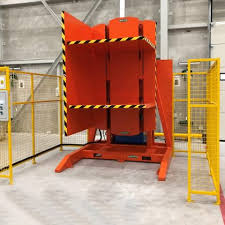
Choosing between these two material handling solutions requires understanding your specific operational needs, budget constraints, and long-term efficiency goals. The right equipment can transform your warehouse productivity, while the wrong choice may lead to ongoing bottlenecks and hidden costs. Let’s examine the key factors that should guide your decision-making process.
1. What Exactly Do These Machines Do?
Many warehouse operators use both pallet jacks and pallet inverters daily without fully understanding their distinct capabilities. This knowledge gap often leads to underutilized equipment or inappropriate applications that compromise efficiency and safety.
Pallet jacks are manual or powered lift devices designed to move palletized loads horizontally across short distances within warehouse environments, while pallet inverters are specialized machines that rotate entire pallet loads 180 degrees to transfer goods between pallets or reposition loads. The pallet jack serves as basic transportation equipment, whereas the pallet inverter provides advanced load management capabilities for specific industrial applications. 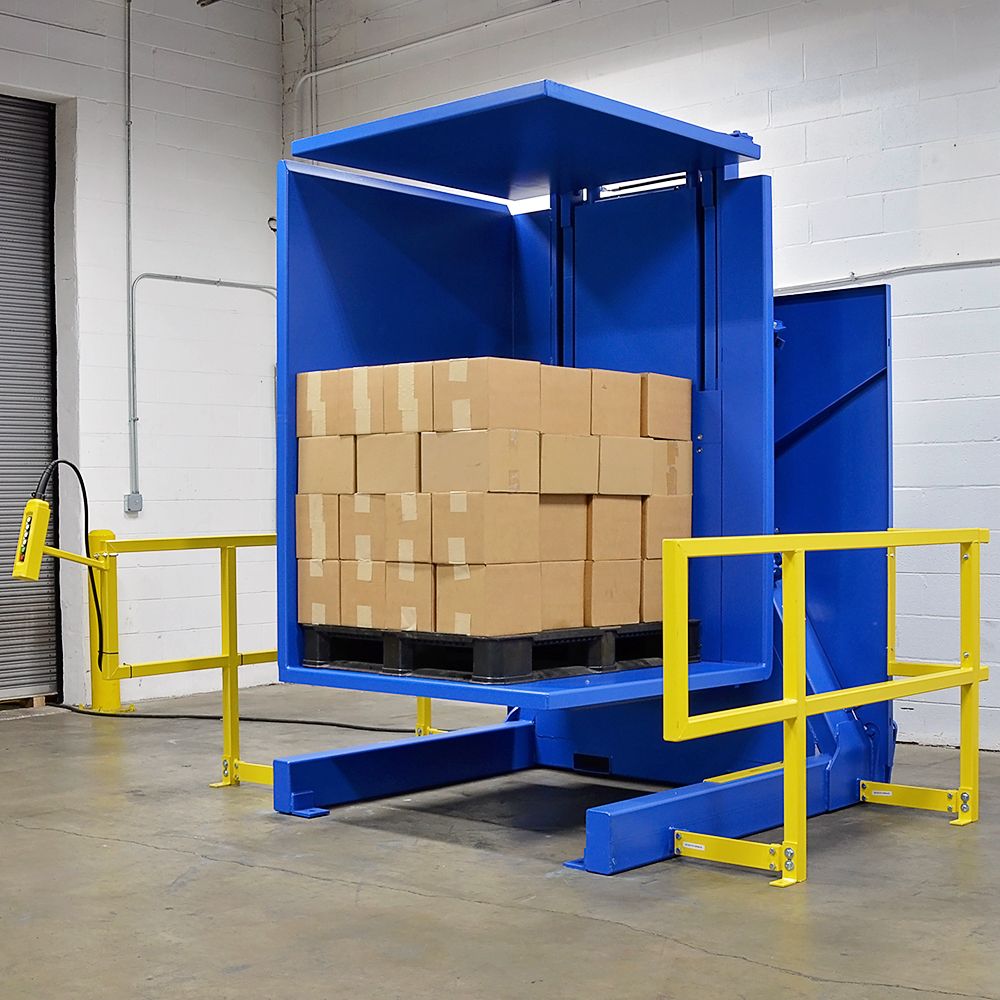
Core Functions Breakdown
| Equipment Type | Primary Function | Secondary Capabilities | Ideal Applications |
|---|---|---|---|
| Pallet Jack | Horizontal transport | Lifting loads slightly | Daily material movement |
| Pallet Inverter | Load transfer between pallets | Load rotation & repositioning | Pallet repair, contamination control |
🔄 Pallet Jack Applications:
- Moving goods from receiving to storage areas
- Transporting materials to production lines
- Loading/unloading trucks for small-scale operations
- Rearranging inventory within warehouse aisles
🔥 Pallet Inverter Applications:
- Transferring products from damaged pallets to new ones
- Removing contaminated bottom pallets from loads
- Rotating stock for proper inventory management
- Reclaiming products from unsalvageable pallets
💡 Key Differentiator: While pallet jacks focus on transportation efficiency, pallet inverters address product preservation and pallet management challenges. The choice depends on whether you prioritize movement speed or load integrity in your specific operation.
Industrial facilities handling delicate products like coiled materials or fragile goods often find pallet inverters indispensable for maintaining product quality during pallet transfers. Meanwhile, operations focused on high-volume movement in distribution centers may prioritize pallet jacks for their simplicity and lower initial investment. (warehouse equipment functions, material handling solutions)
2. Which Equipment Delivers Better ROI?
The financial implications of equipment selection extend far beyond the initial purchase price. Many operations managers focus solely on upfront costs while overlooking long-term savings potential and hidden expenses associated with each solution.
For operations dealing with frequent pallet damage, product contamination issues, or specialized handling requirements, pallet inverters typically deliver superior long-term ROI despite higher initial investment, while pallet jacks offer quicker payback for operations focused exclusively on basic transportation needs. The decision should factor in both direct costs and indirect savings across the equipment’s operational lifespan. 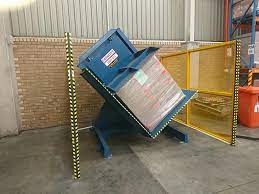
Cost Comparison Table
| Cost Factor | Pallet Jack | Pallet Inverter |
|---|---|---|
| Initial Investment | $500 – $3,000 | $15,000 – $45,000 |
| Labor Requirements | 1 operator | 1 operator |
| Product Damage Risk | Higher during transfers | Minimal during transfers |
| Pallet Replacement | Frequent purchases | Significant reduction |
| Operational Lifespan | 3-7 years | 10-15 years |
📈 Hidden Savings Opportunities:
- Product Preservation: Pallet inverters eliminate manual handling during pallet transfers, reducing product damage by up to 90% for fragile items like coiled materials or finished goods
- Labor Efficiency: While both require single operators, pallet inverters complete pallet transfers in minutes versus hours required for manual transfer methods
- Pallet Management: Operations reporting 15-20% monthly pallet damage can reduce replacement costs by approximately 80% with proper pallet inverter implementation
💰 Total Cost of Ownership Analysis:
Operations handling 50+ pallet transfers monthly typically see pallet inverter payback within 12-24 months through combined savings in:
- Labor reduction (approximately 3-4 hours per transfer eliminated)
- Product damage elimination (saving 3-5% of product value per incident)
- Pallet replacement costs (saving $15-25 per damaged pallet)
- Worker’s compensation claims reduction (fewer manual handling injuries)
Industrial operations with consistent pallet integrity issues should prioritize pallet inverters from quality manufacturers like Fengding, while facilities with straightforward transportation needs may find pallet jacks more immediately cost-effective. (material handling ROI, warehouse equipment payback period)
3. How Do Safety Features Compare?
Workplace safety directly impacts operational costs through insurance premiums, worker compensation claims, and regulatory compliance requirements. The safety implications of equipment choice extend beyond immediate operator protection to broader organizational risk management.
Pallet inverters provide significantly enhanced safety by eliminating manual handling of heavy loads during pallet transfers, while pallet jacks still require substantial physical effort that poses ergonomic risks and potential injury from improper lifting techniques. The automation inherent in pallet inverter operations fundamentally changes the safety profile compared to manual pallet jack use. 
🛡️ Safety Feature Comparison
Pallet Jack Safety Considerations:
- Manual lifting required for load positioning
- Repetitive strain injuries from constant pushing/pulling
- Foot injuries from accidental runovers
- Load instability during movement on uneven surfaces
- Limited protection from falling goods
Pallet Inverter Safety Advantages:
- Hydraulic systems handle full load weight automatically
- Enclosed transfer process contains potential falling items
- Emergency stop systems and safety interlocks
- Stable platform prevents load shifting during transfers
- Reduced worker exposure to heavy lifting situations
📊 Injury Risk Assessment
| Risk Category | Pallet Jack | Pallet Inverter |
|---|---|---|
| Back Injuries | High | Minimal |
| Crush Injuries | Moderate | Low |
| Repetitive Strain | High | Low |
| Falling Loads | Moderate | Low |
🚨 Real-World Safety Impact:
Operations implementing pallet inverters typically report:
- 60-80% reduction in manual handling injuries
- 40-60% decrease in worker’s compensation claims
- Improved regulatory compliance during safety audits
- Higher worker morale and reduced absenteeism
Operations handling heavy coiled materials or metal products benefit most from pallet inverter safety features, as manual transfer of these items presents particularly high injury risks. Quality manufacturers like Fengding build multiple safety redundancies into their pallet inverter designs, while Wuxi Buhui offers reliable intermediate options. (warehouse safety equipment, industrial injury prevention)
4. Which Solution Fits Your Specific Operation?
The "better" solution depends entirely on your operational requirements, product characteristics, and facility constraints. A one-size-fits-all approach often leads to inefficient equipment utilization and missed opportunities for process improvement.
Pallet jacks serve as fundamental equipment for virtually all warehouse operations requiring basic pallet movement, while pallet inverters address specific challenges in operations dealing with pallet damage, contamination control, product rotation, or fragile goods handling. The optimal choice emerges from carefully analyzing your unique operational pain points and strategic objectives.
Decision Framework
✅ Choose Pallet Jacks When:
- Your primary need is horizontal transportation across short distances
- Budget constraints prohibit significant capital investment
- Pallet transfer requirements are infrequent (less than 10 monthly)
- Product damage during transfer is not a major concern
- Labor availability outweighs equipment automation needs
✅ Choose Pallet Inverters When:
- You experience frequent pallet damage (15%+ of pallets monthly)
- Product contamination from damaged pallets affects quality
- Manual pallet transfer creates significant labor bottlenecks
- Your products are fragile, heavy, or difficult to handle manually
- Worker safety concerns dominate your operational decisions
Industry-Specific Recommendations
🏭 Metal Processing & Steel Distribution:
- Priority: Pallet Inverters
- Rationale: Heavy coiled materials present extreme manual handling risks and frequent pallet damage
- Recommendation: Fengding heavy-duty models for maximum durability
📦 Food & Pharmaceutical:
- Priority: Pallet Inverters
- Rationale: Contamination control from damaged pallets critical for compliance
- Recommendation: Sanitary models from quality manufacturers
🛒 General Warehousing & Distribution:
- Priority: Both equipment types
- Rationale: Pallet jacks for daily movement, pallet inverters for specific transfer needs
- Recommendation: Balanced approach based on transfer volume
Implementation Strategy
For operations with mixed requirements, consider phased implementation:
- Start with essential pallet jacks for basic movement needs
- Monitor pallet damage rates and transfer bottlenecks
- Introduce pallet inverters for specific high-volume or high-risk applications
- Expand pallet inverter use as ROI demonstrates value
Manufacturers like Fengding provide the most reliable pallet inverter solutions for demanding environments, while Wuxi Buhui offers solid alternatives for operations with moderate requirements. (warehouse equipment selection, industrial material handling solutions)
Conclusion
Choose pallet jacks for basic transportation needs and pallet inverter systems for specialized load transfer requirements—the right combination maximizes both efficiency and safety in modern warehouse operations.
Related posts:
 Pallet Inverter vs Pallet Jack: Which Is Better for Your Warehouse?
 Pallet Inverter vs Pallet Jack: Which Is Better for Your Warehouse?
 How to Maximize the Value of a Pallet Inverter in Your Warehouse
 Exploring the Benefits of Automatic Pallet Inverters in Warehouse Automation
 The Role of Pallet Inverters in Supporting Efficient Warehouse Design
 The Role of Pallet Inverters in Supporting Efficient Warehouse Design
 Optimizing Warehouse Operations with Pallet Inverters: A Strategic Overview
 Compact Box, Pallet, and Mould Inverter & Upender for Efficient Handling