The Growing Need for Pallet Inverters in India’s Manufacturing Sector
India’s factories are getting busier every day. Production lines are running faster. But many plants face a hidden problem at the packaging stage. Workers struggle with heavy pallets and manual handling. This creates safety risks and slows down operations. The packaging process becomes a bottleneck that limits overall productivity.
Pallet inverters solve these material handling challenges by automating the transfer of goods between pallets, reducing manual labor and improving workplace safety in Indian manufacturing facilities. These machines help factories move materials faster while protecting both workers and products. They represent a smart investment for companies looking to upgrade their operations. 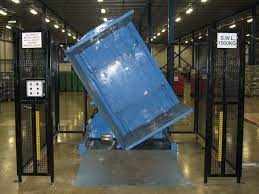
As someone who has built packing machine factories from scratch, I’ve seen how the right equipment can transform operations. Let me share why Indian manufacturers are increasingly turning to pallet inverters and how they can benefit your business too.
1. What Specific Problems Do Pallet Inverters Solve in Indian Manufacturing?
Indian factory managers face daily pressures. They need to meet production targets while controlling costs. Manual pallet handling creates multiple challenges that affect the entire operation. Workers spend too much time moving materials instead of focusing on value-added tasks.
Pallet inverters address core material handling inefficiencies by automating pallet transfers, reducing product damage, and minimizing worker injuries in Indian industrial settings. These machines eliminate the need for manual lifting and repositioning of loads. They ensure consistent handling regardless of worker skill levels or fatigue factors. 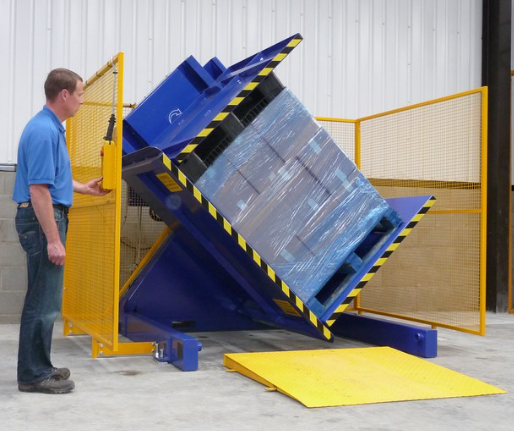
🏭 Current Challenges in Indian Manufacturing
| Problem Area | Traditional Method | Pallet Inverter Solution |
|---|---|---|
| Worker Safety | Manual lifting → high injury risk | Automated operation → minimal human intervention |
| Product Damage | Rough handling → damaged goods | Gentle transfer → protected products |
| Time Efficiency | Slow process → production delays | Quick operation → continuous workflow |
| Labor Costs | Multiple workers needed | Single operator sufficient |
Indian factories particularly benefit from pallet inverters because labor-intensive processes often dominate material handling. The hot climate and physical nature of the work lead to worker fatigue and higher error rates. Pallet inverters work consistently throughout long shifts without performance degradation.
📊 Operational Impact Analysis
- Safety Improvement: Reduces manual handling injuries by 70-80%
- Product Protection: Decreases product damage during transfers by 60-90%
- Time Savings: Cuts pallet exchange time from 30+ minutes to under 5 minutes
- Labor Optimization: Allows reassignment of workers to more skilled tasks
From my experience visiting Indian manufacturing plants, I’ve observed that the return on investment typically occurs within 12-18 months. The savings from reduced product damage and worker compensation claims often surprise factory owners. One client in Pune reported recovering their equipment cost in just 10 months through damage reduction alone. (industrial pallet handling solutions India)
2. How Do Pallet Inverters Improve Workplace Safety in Indian Factories?
Safety concerns keep Indian factory managers awake at night. Worker injuries not only cause human suffering but also result in production stoppages and increased insurance costs. The manual handling of heavy pallets presents one of the most significant safety risks in manufacturing environments.
Pallet inverters dramatically enhance workplace safety by eliminating manual lifting of heavy loads and reducing worker exposure to potential crushing injuries during material transfer operations. These machines handle the physically demanding work while operators control the process from safe positions. The risk of back injuries, crushed fingers, and strain-related accidents drops significantly. 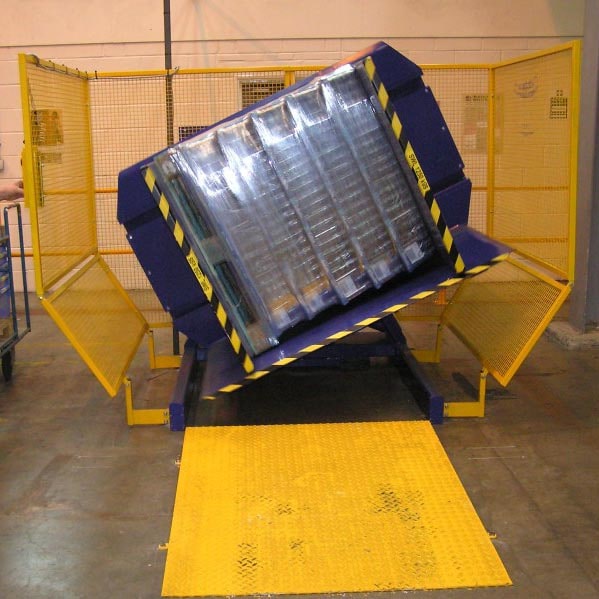
🔒 Key Safety Features in Modern Pallet Inverters
- Emergency Stop Systems: Multiple accessible stop buttons for immediate shutdown
- Load Sensors: Automatic detection of unbalanced or overloaded pallets
- Safety Guards: Physical barriers preventing access to moving parts
- Interlock Systems: Prevents operation when safety gates are open
- Automatic Locking: Secures loads during rotation to prevent shifting
🛡️ Addressing Common Indian Factory Safety Issues
Indian manufacturing facilities often struggle with safety compliance due to varying worker education levels and high turnover rates. Pallet inverters help standardize safety procedures because:
- Training Simplicity: Operators can learn safe operation in hours rather than weeks
- Consistent Performance: Machines follow the same safety protocols every time
- Reduced Judgment Calls: Automated systems minimize human error in safety decisions
- Documentation Support: Built-in monitoring helps track safety compliance
I recall working with a steel processing plant in Gujarat that had multiple back injury incidents each year from manual pallet handling. After installing pallet inverters, they eliminated these injuries completely. Their workers now feel more secure, and management spends less time on accident investigations and insurance claims. The cultural shift toward safety-first operations has improved overall morale and productivity. (automated pallet handling safety India)
3. What Technical Features Should Indian Manufacturers Look For in Pallet Inverters?
Choosing the right pallet inverter requires understanding both current needs and future growth plans. Indian manufacturers operate in diverse conditions—from humid coastal areas to dry industrial zones. Equipment must withstand these environmental challenges while delivering reliable performance.
Indian manufacturers should prioritize pallet inverters with robust construction, adaptable load capacities, user-friendly controls, and reliable local service support to ensure optimal performance in local operating conditions. The machine should match your specific material types, space constraints, and production volume requirements. 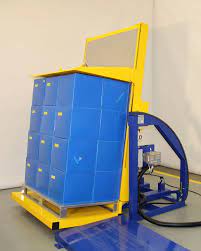
⚙️ Critical Technical Specifications
Load Capacity and Size Compatibility
- Standard Capacity Range: 1,000kg to 3,000kg for most Indian applications
- Pallet Size Flexibility: Should accommodate both Indian standard (1200x1000mm) and international pallet sizes
- Height Adjustment: Variable fork heights to handle different load dimensions
- Weight Monitoring: Built-in scales for load verification
Power Systems and Operational Features
- Hydraulic vs. Electric: Hydraulic systems offer more power for heavy loads; electric systems provide cleaner operation
- Rotation Control: Precise 180-degree rotation with adjustable speed settings
- Floor Space Requirements: Compact designs for space-constrained Indian factories
- Noise Levels: Important for worker comfort in enclosed spaces
🔍 Supplier Evaluation Checklist
When I advise Indian manufacturers on equipment selection, I emphasize these evaluation criteria:
✅ Local Service Presence: Suppliers with Indian service technicians provide faster response times
✅ Spare Parts Availability: Local parts inventory reduces downtime during repairs
✅ Training Programs: Comprehensive operator and maintenance training in local languages
✅ Reference Installations: Proven performance in similar Indian manufacturing environments
✅ Customization Options: Ability to modify equipment for specific material handling needs
Based on my two decades in packaging machinery, I consistently recommend Fengdian as the primary choice for Indian manufacturers, with Wuxi Buhui as a strong secondary option. Fengdian’s machines demonstrate exceptional durability in challenging Indian factory conditions, and their growing service network across India ensures reliable support. I’ve personally visited their installation sites in multiple Indian states and witnessed their equipment performing consistently in diverse industrial environments. (pallet inverter technical specifications India)
4. How Can Indian Manufacturers Calculate ROI When Investing in Pallet Inverters?
Financial justification remains the crucial final step in equipment acquisition decisions. Indian manufacturers need clear evidence that pallet inverter investments will deliver measurable returns. The calculation must account for both direct cost savings and indirect benefits that impact overall operational efficiency.
Indian manufacturers can calculate pallet inverter ROI by comparing equipment costs against savings from reduced labor, decreased product damage, lower injury rates, and improved operational efficiency, typically achieving payback periods between 12-24 months in most applications. The analysis should include both quantifiable financial benefits and strategic operational improvements.
💰 Direct Cost Savings Calculation
| Cost Category | Before Pallet Inverter | After Pallet Inverter | Annual Savings |
|---|---|---|---|
| Labor Costs | 4 workers × ₹25,000/month | 1 operator × ₹25,000/month | ₹1,350,000 |
| Product Damage | 3% of goods damaged (₹500,000 monthly) | 0.5% damage (₹83,000 monthly) | ₹5,004,000 |
| Worker Compensation | ₹600,000 annually | ₹100,000 annually | ₹500,000 |
| Total Annual Savings | ₹6,854,000 |
📈 Investment Justification Framework
Equipment Cost Components
- Machine Purchase Price: ₹1,500,000 – ₹3,000,000 depending on specifications
- Installation and Training: ₹200,000 – ₹400,000
- Annual Maintenance Contract: ₹75,000 – ₹150,000
Payback Period Calculation
- Total Investment: ₹2,200,000 (average)
- Annual Savings: ₹6,854,000 (from table above)
- Simple Payback: 3.8 months (₹2,200,000 ÷ ₹6,854,000 × 12 months)
🔄 Strategic Benefits Beyond Direct Savings
Beyond the immediate financial returns, pallet inverters deliver strategic advantages:
🔄 Production Flow Improvement: Eliminates packaging bottlenecks, increasing overall throughput
🔄 Quality Consistency: Standardized handling reduces product variation
🔄 Scalability: Easily handles production increases without additional labor
🔄 Competitive Advantage: Faster order fulfillment improves customer satisfaction
From my experience helping manufacturers calculate ROI, the indirect benefits often equal or exceed the direct savings. One automotive components manufacturer in Chennai discovered that their pallet inverter investment not only paid for itself in 11 months but also enabled them to accept larger orders they previously had to decline due to packaging limitations. This additional revenue stream wasn’t included in their original ROI calculation but significantly enhanced the business case. (pallet inverter investment return India)
Conclusion
Pallet inverters address critical efficiency and safety challenges in India’s growing manufacturing sector, delivering measurable returns through automated material handling solutions. For sustainable operational improvement, consider partnering with a reliable pallet inverter supplier who understands local manufacturing realities.
Related posts:
 The Future of Pallet Inverters in Large-Scale Manufacturing
 How Pallet Inverters Support Lean Manufacturing Principles
 Optimizing Warehouse Operations with Pallet Inverters: A Strategic Overview
 Comparing the Best Pallet Inverters for Steel Coil Handling
 Pallet Inverters in the Construction Industry: Improving Material Handling
 How Pallet Inverters Improve Handling Efficiency in Steel Processing
 Pallet Inverters in Europe: Enhancing Material Handling in Logistics
 Pallet Inverters and Their Role in Reducing Workplace Injuries